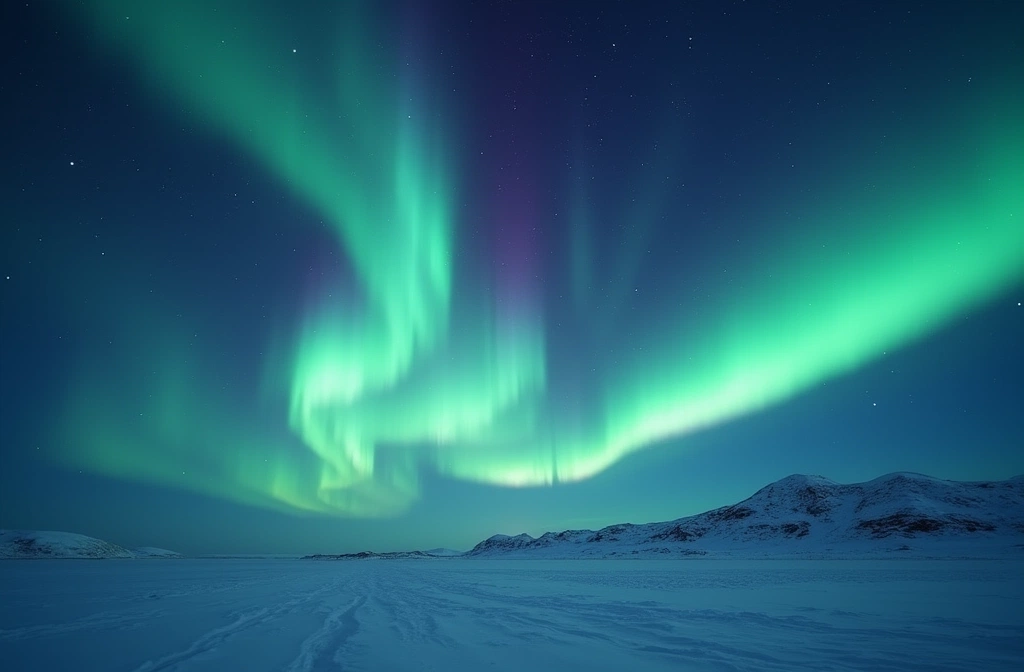
NOAA has issued a geomagnetic storm watch for parts of the northern US, according to reporting from Starlust. The watch indicates minor geomagnetic activity is underway or imminent, with auroras potentially visible in regions north of 60 degrees latitude.
For the preparedness-aware, this matters because geomagnetic storms — even minor ones — are a measurable indicator of solar output and ionospheric disturbance. While this particular event is classified as minor and localized to high latitudes, it reinforces a baseline fact: the Sun remains in an active phase of its solar cycle, and space weather can and will drive visible effects on Earth's magnetosphere.
Minor geomagnetic storms typically do not trigger widespread grid or communications outages. However, they do stress power systems in polar and near-polar regions, and they can degrade GPS and HF radio propagation in affected areas. Satellite operators and utilities in the northern US monitor these events as matter of routine operations.
The intelligence value here is not in this event alone — it's in the pattern. Minor storms are how we recognize the solar cycle is active. They serve as a baseline for understanding the range of normal space weather hazards. Stronger geomagnetic storms (G3-G5 events) are rarer but possible during solar maximum periods, and they do pose material risks to transformers, long-distance power lines, and communication infrastructure.
If you operate in communications, power distribution, or satellite operations in northern latitudes, this is a reminder to refresh your space weather alert subscriptions and ensure your team has current NOAA Space Weather Prediction Center contacts and procedures in place. If you're simply aware of the risk, this is data confirming that solar activity remains a credible threat vector to monitor — not today, but in the larger cycle.
