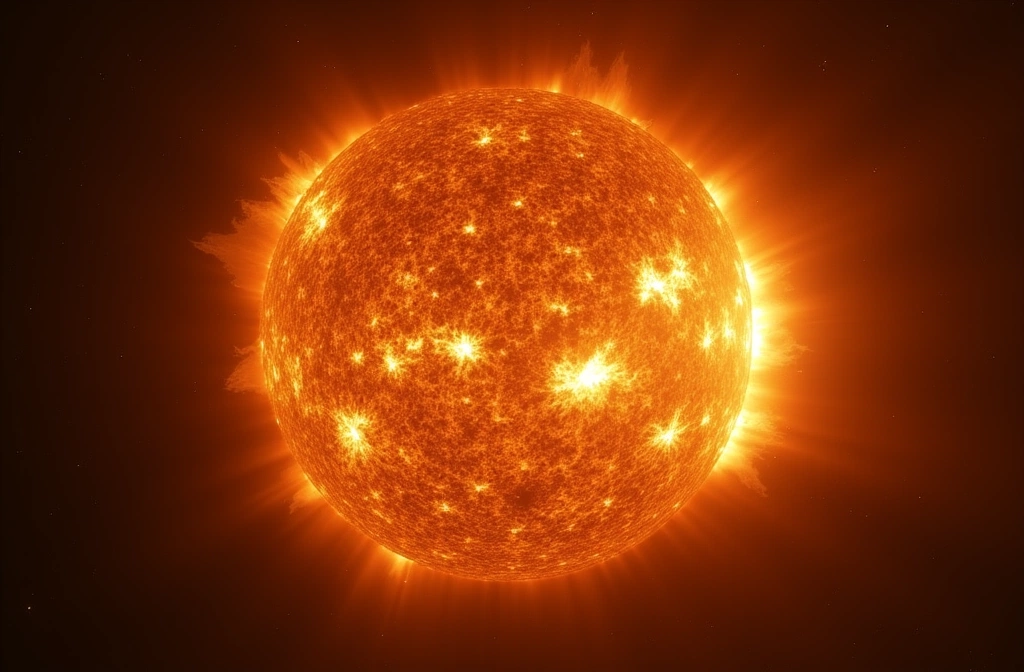
According to NOAA's Space Weather Prediction Center, solar activity is expected to remain moderate, with a notable probability of M-class solar flares and a stated slight chance of isolated X-class flare activity. Geomagnetic conditions are forecast to stay generally quiet during the next 24 hours, meaning no G1 (Minor) or stronger geomagnetic storms are currently expected.
This matters because X-class flares represent the most energetic solar events capable of reaching Earth. While isolated X-class activity remains low-probability, it is not zero. M-class flares can disrupt HF radio communications, degrade GPS signals in polar regions, and potentially stress power grid infrastructure depending on solar wind density and magnetospheric coupling.
The distinction here is important: geomagnetic calm does not equal solar calm. Solar flare activity and geomagnetic storm severity are related but separate phenomena. A powerful solar flare can occur during quiet geomagnetic conditions if the ejected plasma does not strike Earth directly. Conversely, a moderate flare aimed at our magnetosphere can trigger significant geomagnetic disturbance.
NOAA's current forecast suggests the next 24 hours pose low immediate risk, but the presence of M-class flare potential and X-class mention signals elevated solar volatility. For grid operators, satellite operators, and critical communications managers, this is a yellow-flag period—not emergency status, but elevated vigilance warranted.
What to monitor: Watch for NOAA Space Weather Prediction Center updates on solar wind speed, magnetospheric Kp index readings, and any upgraded flare probabilities. If M-class activity materializes, real-time impact reports from utilities and communications carriers should clarify grid stress. X-class activity would demand immediate attention to backup power systems and alternative communications protocols.
