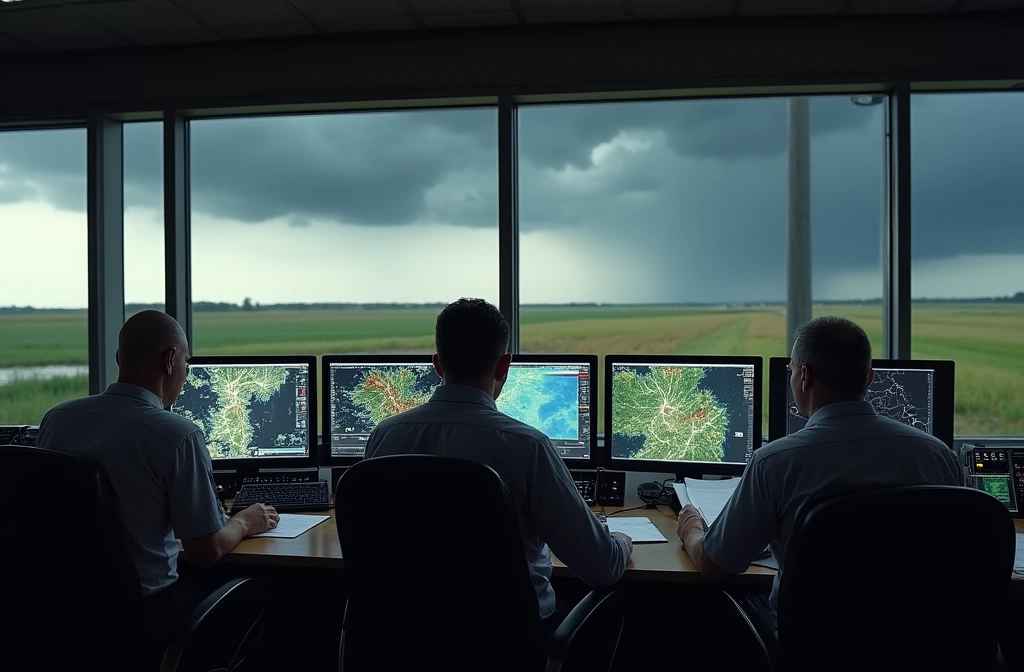
According to The Globe, Nobles County will participate in National Severe Weather Awareness Week through publicized alerts and warning awareness initiatives, along with tornado drill exercises. The county's involvement suggests a coordinated approach to severe weather preparedness at the local government level.
For preparedness practitioners, this matters because it reveals what municipal systems are actually testing—and what gaps may remain. Tornado drills and alert protocols are only effective if the underlying infrastructure (sirens, radio broadcasts, cell networks) functions under stress. The fact that a county is formally dedicating resources to this signals recognition that warning systems require periodic validation.
Historically, communities that conduct regular severe weather drills tend to have faster public response times and better shelter-in-place compliance during actual events. The 2011 Joplin tornado demonstrated that siren reach and message clarity are often the difference between evacuation delays and life safety outcomes. Nobles County's drill participation may surface real-world communication weaknesses—dead zones in cell coverage, siren audio gaps, or delays in alert dissemination.
The broader signal: county-level severe weather preparedness is moving from passive awareness to active testing. This is proportional risk management for a region in tornado-prone terrain.
What to watch: Monitor whether Nobles County publishes drill results or identified gaps. Public after-action reports often reveal specific infrastructure vulnerabilities (cell tower coverage, redundant warning systems, community shelter capacity) that preparedness-minded individuals can then account for in personal planning. Request drill information from your local emergency management office—it's often public record and will show you what your county actually validated versus what it assumes works.