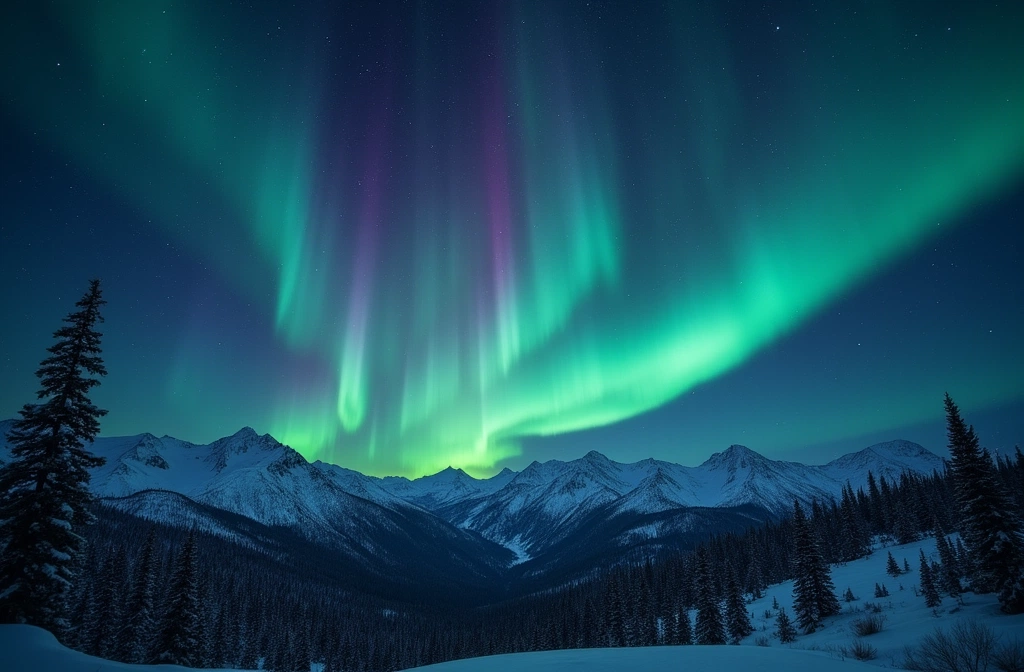
On July 6, 2026, ALERTCalifornia reported rare northern lights visible across Northern California skies during the Fourth of July weekend—an uncommon occurrence that points to active geomagnetic conditions. According to NOAA's Space Weather Prediction Center, geomagnetic storms occur when "there is a very efficient exchange of energy from the solar wind" into Earth's magnetosphere.
Why this matters: Auroras visible at this latitude suggest a geomagnetic disturbance strong enough to push the aurora oval significantly southward. While the source material does not specify the storm classification (G-scale rating), the geographic reach indicates sustained solar wind coupling.
For infrastructure planners, geomagnetic storms pose documented risks to power grids, transformers, and communications systems—particularly at higher latitudes, though severe events can affect continental U.S. infrastructure. Satellite operations, GPS accuracy, and HF radio propagation are similarly vulnerable during active conditions.
The critical gap: The available reporting does not confirm storm duration, peak intensity, or whether secondary waves are expected. NOAA's Space Weather Prediction Center maintains real-time monitoring, but public alerts often lag peak activity by hours.
What to watch next: Track NOAA space weather alerts (swpc.noaa.gov) for G-scale classifications and Kp index readings over the next 72 hours. Recurrent solar activity can produce multiple storm pulses separated by 24–48 hours. If aurora reports expand to lower latitudes (Southwest, Midwest) or if power utilities issue load-management notices, storm intensity is likely still escalating. Historical precedent: The March 1989 Quebec blackout and July 2012 near-miss both involved auroras visible at mid-latitudes before infrastructure impact. Early visibility is often an early warning.
