Look, I'm going to be direct: Foreign Policy just published something that challenges conventional prepper wisdom on nuclear threats, and you need to read between the lines on this one.
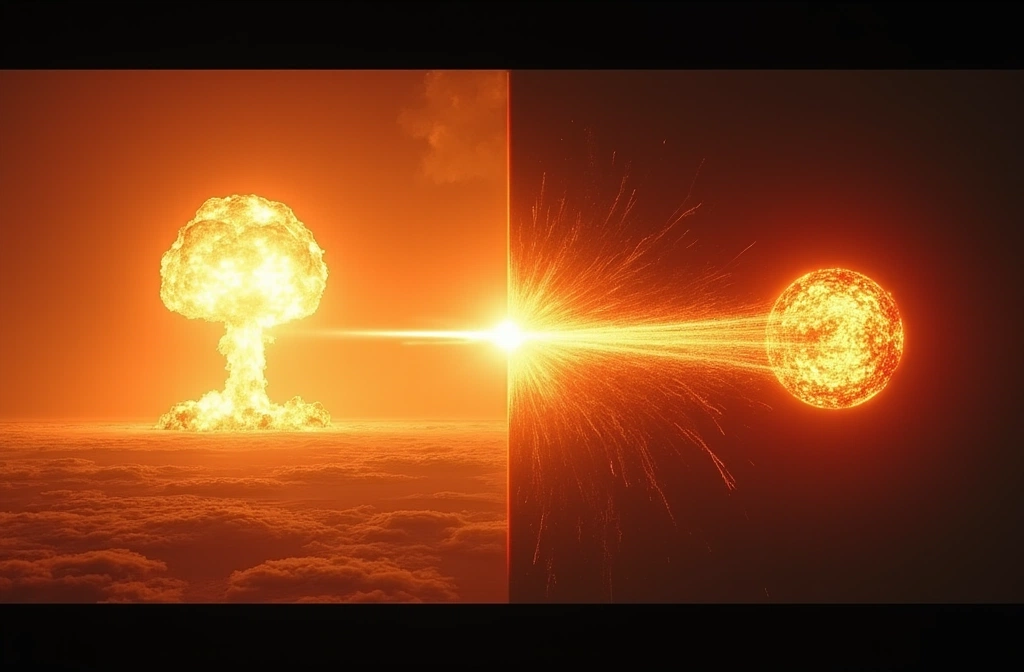
The article's core argument is that electromagnetic pulses from nuclear detonations are being dramatically overblown in survival planning circles. According to Foreign Policy's analysis, the immediate kill radius from blast, thermal radiation, and fallout are exponentially more lethal than secondary EMP effects. In other words, if you're close enough to worry about EMP, you're already dead from the blast itself.
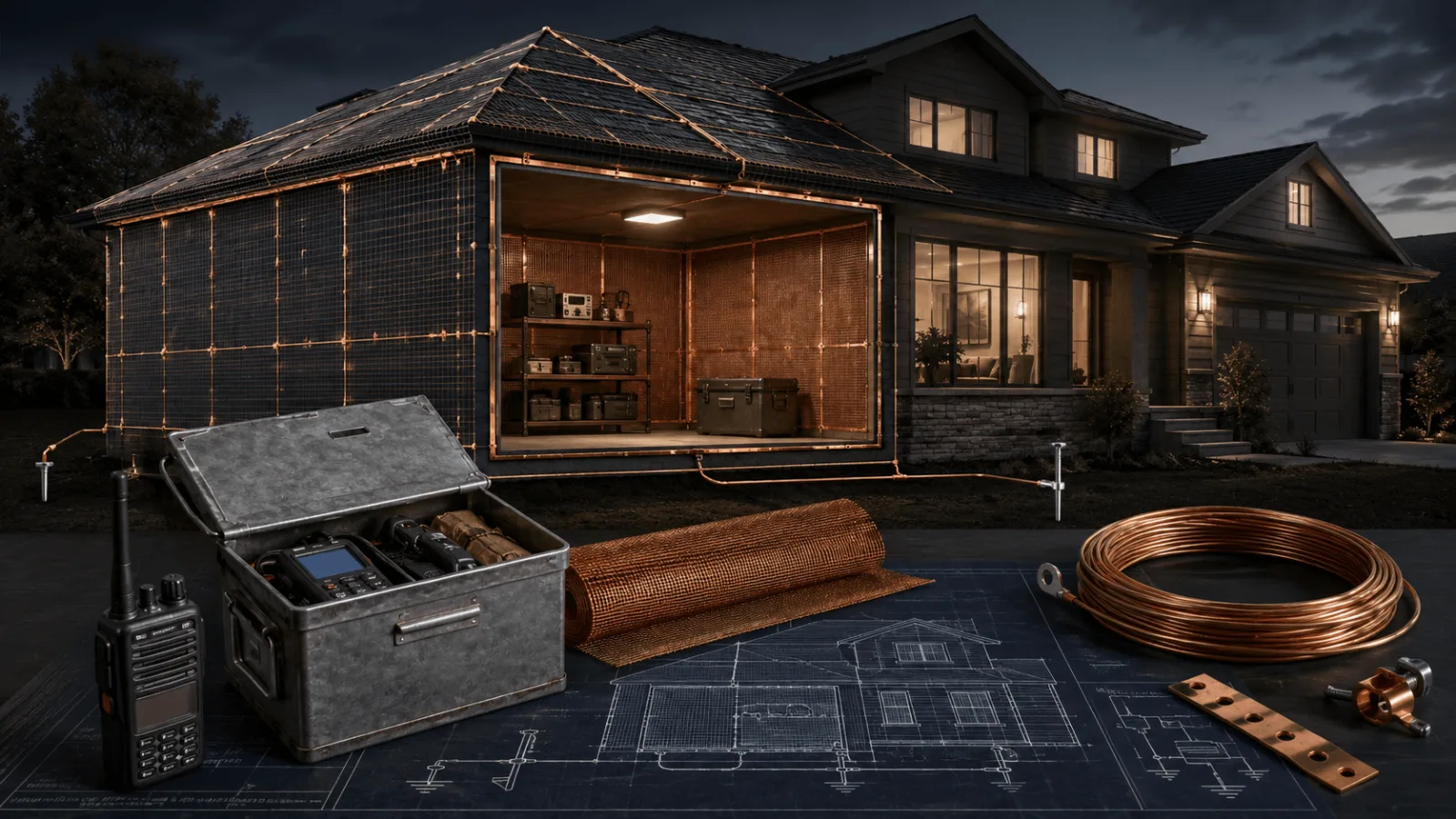
Here's why this matters for your prep posture: I've watched countless preppers sink thousands into Faraday cages, shielded electronics, and EMP-hardened bunkers while neglecting basic blast shelter construction and fallout protection. This isn't to say EMP is zero-threat—it absolutely matters for infrastructure-level concerns and fringe scenarios—but the probability-weighted threat calculus has been off.
The real play here? Foreign Policy is signaling that policy circles are re-evaluating nuclear deterrence assumptions. When establishment outlets start questioning EMP vulnerability narratives, it usually means classified assessments differ from public mythology. That's intel.
What you should do right now:
Rebalance your threat model. If nuclear exchange is on your radar, prioritize blast-resistant shelter (basements, interior rooms, earth berming) and multi-week fallout supplies over EMP hardening. Potassium iodide, N95s, and sealed water/food beat Faraday cages in a nuclear scenario.
Don't abandon EMP prep entirely. Grid collapse from solar events or coordinated attacks remains credible. But triage accordingly: basic surge protection and critical backup power matter more than full electromagnetic isolation for civilian prep.
Source: Foreign Policy analysis on nuclear effects prioritization.
Bottom line: Your threat stack just shifted. Adjust accordingly.