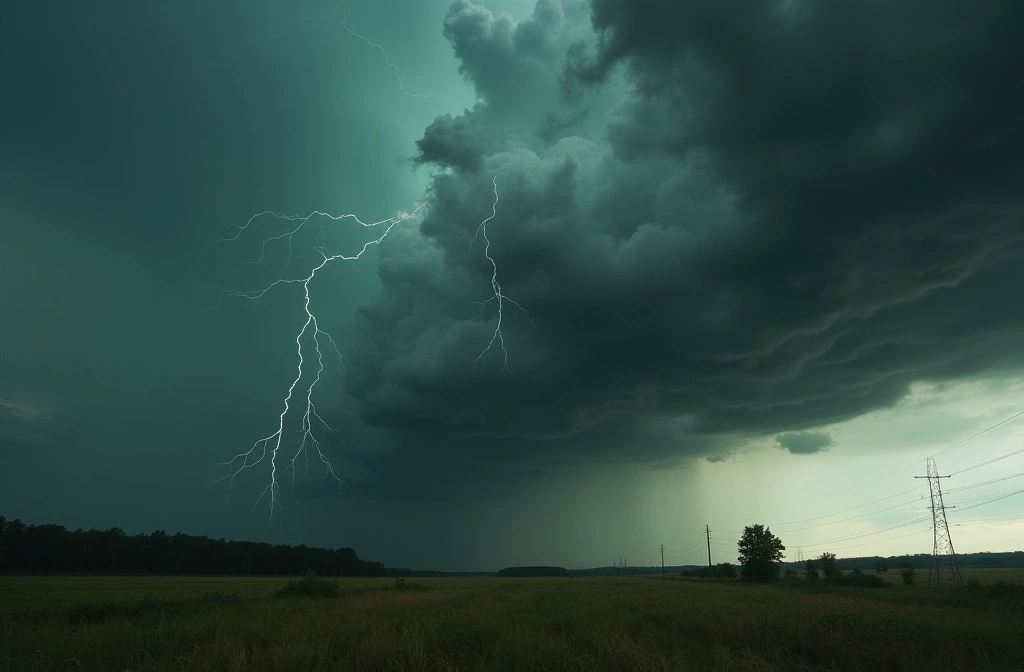
The National Weather Service in Birmingham issued a severe thunderstorm warning for West Alabama at 10:29 a.m. on Tuesday, April 28, 2026, according to reporting from the Tuscaloosa News.
Severe thunderstorms are a known threat vector to regional infrastructure. High winds associated with severe storms can damage transmission lines and distribution infrastructure. Lightning strikes present direct risk to electrical substations, communications towers, and unshielded equipment. Heavy rainfall can compromise drainage systems and create localized flooding that affects road networks and critical facilities.
For preparedness-minded readers in affected areas, the timing and scope matter: the warning indicates meteorological conditions are already present or imminent in the target zone. This is not a watch—it's an active alert requiring immediate situational awareness.
Key operational concerns:
- Power systems: Severe weather is a common cause of unplanned outages. Rural and semi-rural Alabama infrastructure may experience cascading effects if multiple transmission points are affected simultaneously.
- Communications: Cell tower infrastructure is vulnerable to lightning strike and wind damage, potentially creating communication gaps during a period when situational awareness is critical.
- Transportation: Storm surge and localized flooding can isolate roads and restrict movement, affecting supply chains and emergency response routing.
- Data continuity: If backup power systems at critical facilities are inadequate, weather-induced outages could create data loss or service interruptions.
What to watch next: Monitor whether the NWS escalates the warning, extends it geographically, or issues tornado warnings (which would indicate rotation and significantly elevated risk). Sustained power outages lasting 4+ hours across multiple counties would signal infrastructure stress beyond routine storm resilience.
For readers in West Alabama, now is the window to confirm backup power status, secure loose outdoor items, verify fuel reserves, and confirm communication plans with family and critical contacts. These steps are proportional to the actual threat and operationally sound regardless of storm outcome.
