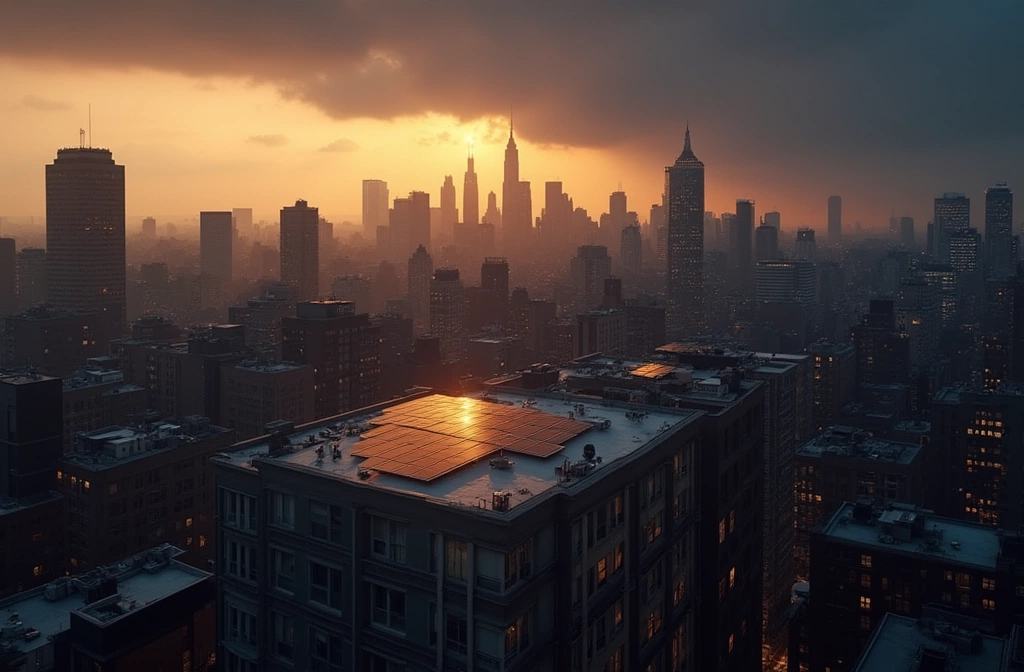
According to the Office of the New York City Comptroller Mark Levine, a new report addresses NYC's energy demand challenge by recommending investment in distributed solar and battery storage systems. The proposal targets essential community institutions—houses of worship, senior centers, libraries, and community centers—equipping them to operate independently from the electric grid during extended power outages and extreme weather events.
The strategy reflects a significant shift in municipal energy planning. Rather than relying solely on grid hardening, it acknowledges that localized, resilient energy assets can sustain critical functions when centralized infrastructure fails. The Comptroller's office specifically notes the value of these systems for agencies during blackout conditions, when standard charging and operational capacity becomes compromised.
Why this matters: Community institutions serve dual roles in crisis scenarios—they provide shelter, information, and basic services. If equipped with independent power generation and storage, they become functional nodes in a degraded infrastructure environment. This is especially relevant for vulnerable populations: seniors in centers, neighborhoods served by libraries, congregations reliant on houses of worship for emergency coordination.
The recommendation suggests official awareness of a hard truth: grid resilience improvements alone cannot guarantee uninterrupted service during major outages. Distributed energy architecture creates redundancy and neighborhood-level independence—a measurable hardening of urban infrastructure against prolonged loss of centralized power.
What to watch: Monitor whether NYC follows through with funding and implementation timelines. The real test is speed of deployment and actual battery capacity installed. Also track whether other major cities adopt similar distributed strategies—that's an indicator of broader institutional concern about grid vulnerability and extended outage scenarios.
