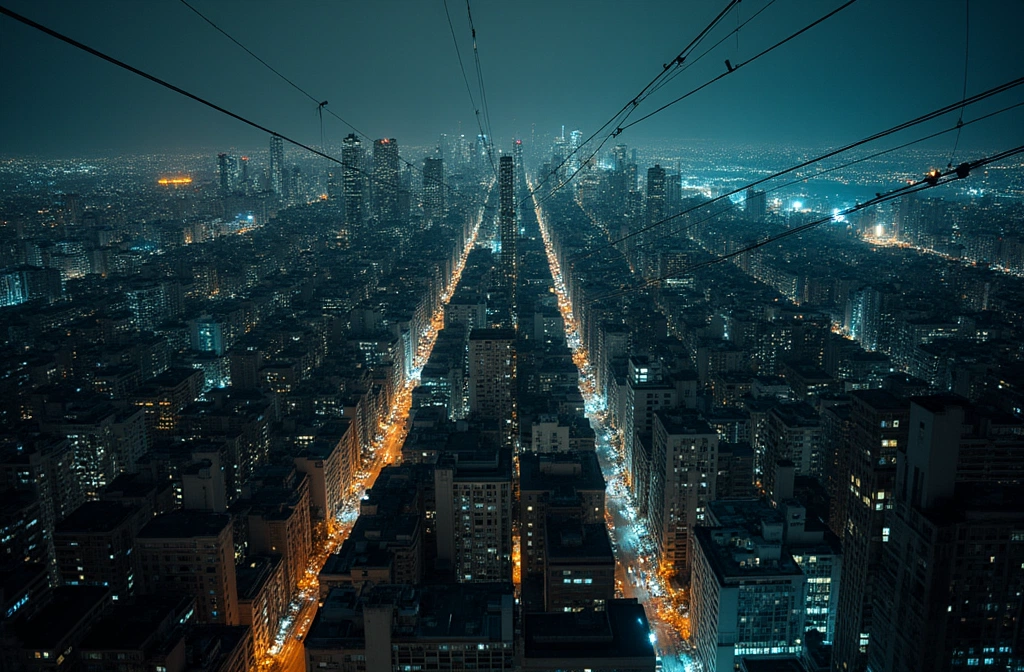
According to ZeroHedge reporting, New York City officials—identified as socialist-aligned—have issued a public plea asking residents to set air conditioning thermostats to 78°F to manage strain on the city's electrical grid during summer conditions. The request appears tied to concerns about grid fragility and blackout risk under peak load conditions.
This development illustrates a practical constraint in modern urban infrastructure: peak cooling demand concentrates stress on transmission and generation capacity during specific windows (typically early evening, high-temperature days). NYC's grid, like most northeastern U.S. systems, operates with limited excess capacity during summer peaks.
The significance lies not in the specific thermostat request—which is a standard demand-management tool—but in the visibility of that request. When officials must publicly appeal to voluntary load reduction rather than managing through pricing, grid reserves, or infrastructure investment, it signals either capacity constraints, weather-driven spikes, or planned maintenance overlapping with demand.
For preparedness readers: This is a low-severity indicator that deserves monitoring rather than alarm. Voluntary load-shedding requests are common and manageable. However, they're worth tracking as a canary metric—if such requests become more frequent, expand geographically, or escalate to mandatory restrictions, they suggest systemic capacity problems developing.
The relevant watch points are: (1) Frequency of such appeals across the Northeast corridor through summer; (2) Whether requests shift from voluntary to mandatory; (3) Any correlation with extreme heat events or transmission outages; (4) Official statements on grid investment or maintenance schedules. These signals, in aggregate, indicate whether this is normal seasonal management or evidence of deteriorating reserve margins.
