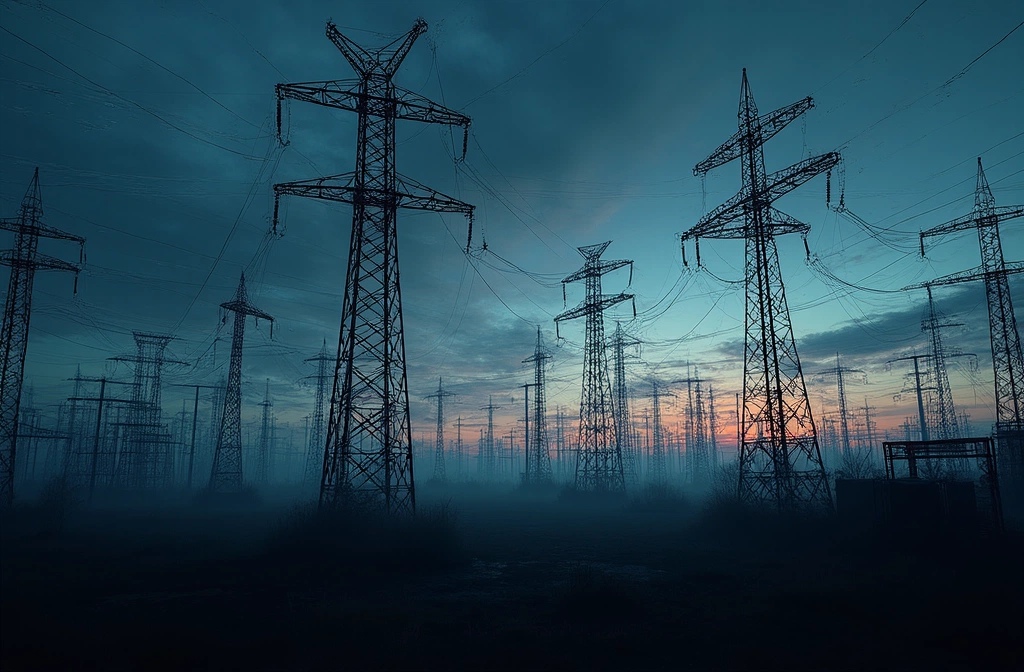
On July 30, 2026, CyberNews Centre published analysis framing the Origin Energy breach as part of a larger strategic trend rather than a one-off incident. The outlet identified a critical vulnerability in modern infrastructure: the increasingly blurred line between information technology systems and operational technology that directly controls physical assets like power generation and distribution.
What makes this assessment significant for preparedness planning is the dual-actor dimension. CyberNews Centre identifies both state-sponsored actors and financially motivated criminal syndicates as exploiting this same vulnerability surface. This convergence suggests the threat landscape is not driven by a single adversary or motivation—which makes defensive strategy more complex.
Origin Energy operates critical energy infrastructure across multiple regions. A breach affecting energy systems carries cascading implications: potential disruption to power supply, water treatment facilities that depend on electrical systems, communications infrastructure, and supply chain logistics. The fact that attackers can traverse from IT networks into operational technology suggests the technical segmentation many utilities rely on may be inadequate.
For infrastructure resilience broadly, this signals that the traditional separation between "business systems" and "critical control systems" is no longer a reliable defensive boundary. Organizations managing power, water, transportation, or communications assets appear to be facing a coordinated pressure campaign from multiple threat actors with different but complementary objectives.
The systemic risk here is not contained to Origin Energy. If this represents a pattern—as CyberNews Centre suggests—then other energy providers, utilities, and critical infrastructure operators face similar attack surface exposure. A successful compromise of one system may provide operational intelligence or access techniques applicable across the sector.
