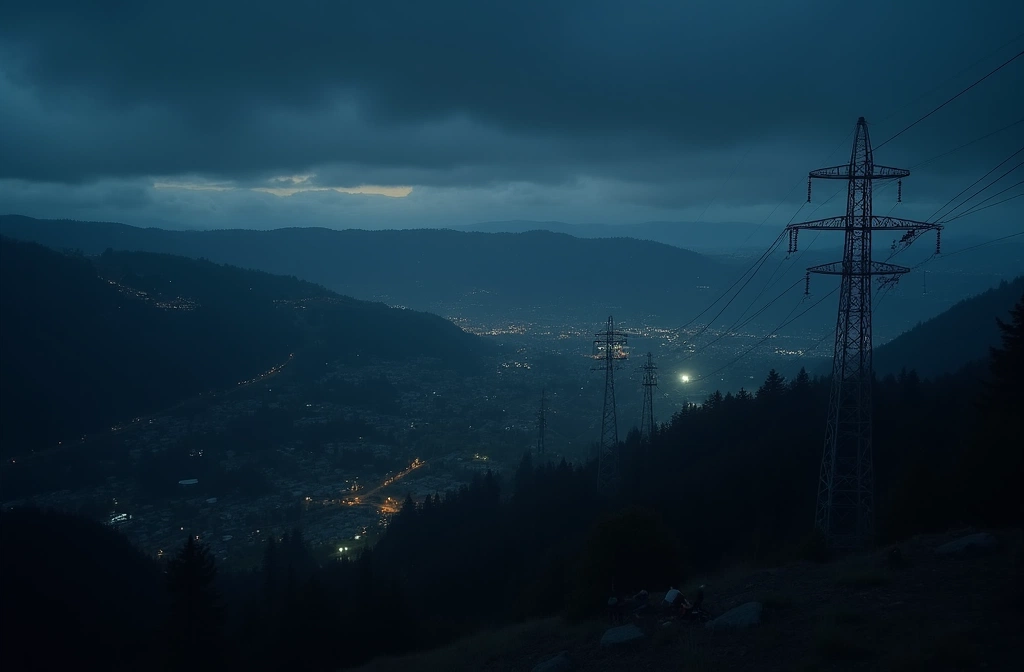
PG&E began planned de-energizations shortly after 5:30 a.m. on Sunday across Northern California, according to reporting from Mogaz. The utility cited critical fire weather — specifically windy and dry conditions that elevate rapid-fire risk — as the trigger for the shutoffs. Affected regions include parts of Colusa, Glenn, Tehama, Napa, San Joaquin, Stanislaus, Solano, and Yolo counties.
This represents standard grid management protocol under elevated fire risk, but it carries broader infrastructure implications. Planned outages of this scale demonstrate that U.S. electrical systems now routinely operate in a defensive posture: shutting down supply to prevent catastrophic failure rather than maintaining continuous service. The strategy trades short-term reliability for reduced wildfire transmission risk — a calculus that's becoming operational norm in high-risk zones.
For preparedness planning, this event illustrates a critical pattern: weather-driven outages are no longer emergency anomalies. They're scheduled operations. Customers in high-fire-risk regions should expect periodic, predictable grid cuts during specific seasonal windows. This shifts the preparedness timeline from "someday" to "recurring."
The geographic spread — eight counties across Northern California's transmission network — also signals how regionally coordinated these actions have become. PG&E's ability to execute multi-county shutoffs suggests operational sophistication, but it also means affected populations face simultaneous impact with limited geographic fallback options for backup power or fuel.
Watch for: (1) frequency of future shutoffs as fire seasons extend or intensify; (2) whether other major utilities adopt similar de-energization strategies; (3) public response patterns and whether infrastructure resilience investments follow. The operational precedent established here may shape grid management in other climate-vulnerable regions.
