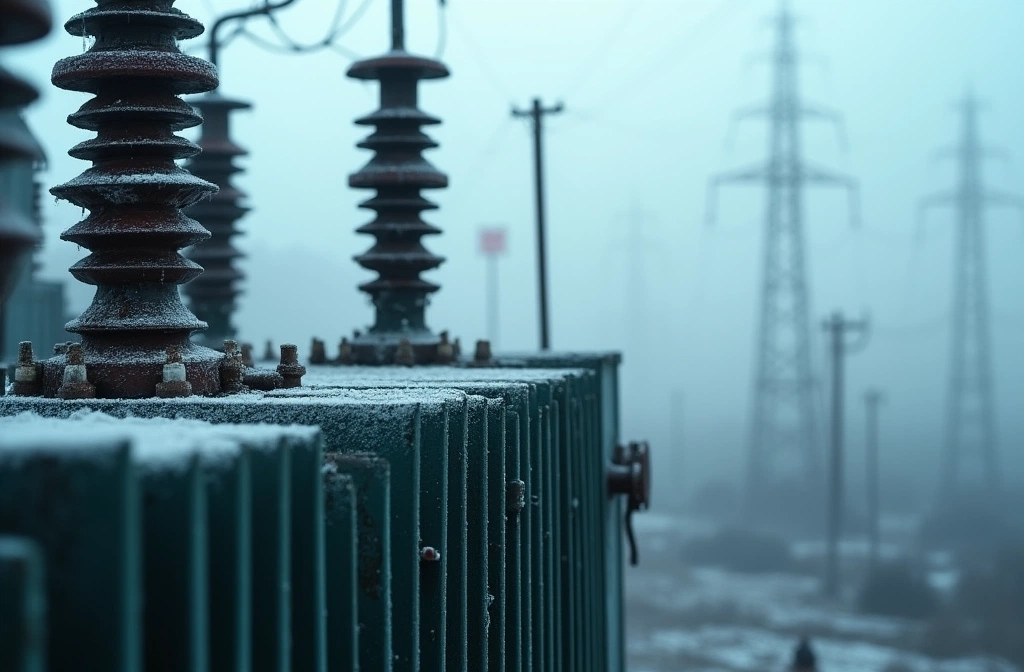
According to an independent probe cited in PG&E's report released Friday, high humidity levels inside the Mission substation sparked an outage that left 120,000 customers without power in December. The investigation found that PG&E did not act on known substation damage before the event occurred.
This matters because substations are critical nodal points in the electrical distribution network. When a single facility fails due to preventable environmental factors—moisture ingress is a known hazard in electrical infrastructure—it can cascade across a region. A 120,000-customer blackout is significant and suggests the substation serves a densely populated or critical service area.
The fact that damage was present but unaddressed before failure indicates a possible gap between asset condition monitoring and maintenance scheduling. Environmental controls (humidity management, ventilation, sealed enclosures) are baseline infrastructure health measures. When they fail or are neglected, corrosion, arcing, and component degradation accelerate.
For preparedness-minded readers, this event is a data point in a larger pattern: utility infrastructure aging, deferred maintenance, and reactive rather than predictive response. California's grid faces compounding pressures—electrification load, renewable intermittency, extreme weather, and aging assets. A single substation failure is localized; but if this reflects broader maintenance gaps across PG&E's footprint or other utilities, the risk of cascading outages rises.
What to watch: Whether other utilities acknowledge similar humidity or environmental issues in substations. Whether PG&E implements widespread humidity monitoring or environmental controls across the rest of its substation network. Any pattern of weather-triggered outages in coming months could suggest systemic environmental vulnerability in grid infrastructure.
The December blackout was contained and restored. But the root cause—known damage, inaction—is the more important signal for grid resilience assessment.
