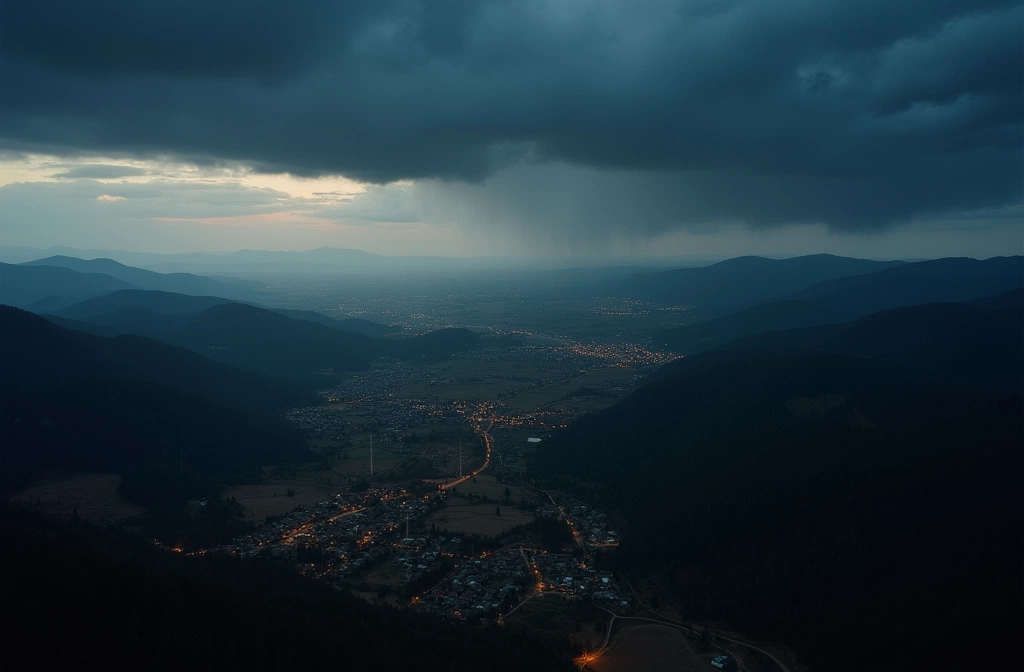
According to KCRA, PG&E has issued shutoff warnings spanning 15 counties in Northern California amid forecasted strong winds and dry conditions. The utility is signaling readiness to execute Public Safety Power Shutoff (PSPS) operations—a mechanism designed to reduce fire ignition risk on its transmission and distribution lines during high-danger weather windows.
This matters because planned grid shutdowns, while intended as fire prevention, create cascading vulnerabilities:
Grid Impact: Coordinated power loss across multiple counties can disrupt water treatment, fuel pumping, telecommunications backup systems, and medical infrastructure dependent on continuous supply. Even brief PSPS events stress grid recovery timing and can expose load-balancing weaknesses.
Preparation Signal: PG&E shutoff warnings are forward indicators of elevated fire season risk conditions. They reflect real meteorological stress on the grid and suggest that conditions meeting utility threshold criteria for de-energization are present or forecast.
Scope: 15-county coverage indicates regional, not localized, impact. This scale of simultaneous shutoff affects supply chains, emergency services coordination, and fuel distribution networks that depend on grid continuity.
What to Watch Next: Monitor whether PG&E actually executes these shutoffs, how long they last, and whether other California utilities (SDG&E, SCE) issue similar warnings. Back-to-back PSPS events or expanding county warnings would signal sustained high fire-risk meteorology. Watch local fire agency statements and NWS products for Red Flag Warnings or Fire Weather Watches—these typically precede utility shutoff execution.
The grid is not a monolithic system; it's a network of decision points. When utilities move to protective shutdowns, they're signaling that their operational risk assessment has crossed a threshold. That threshold is worth tracking for what it reveals about seasonal conditions and grid stress tolerance.
