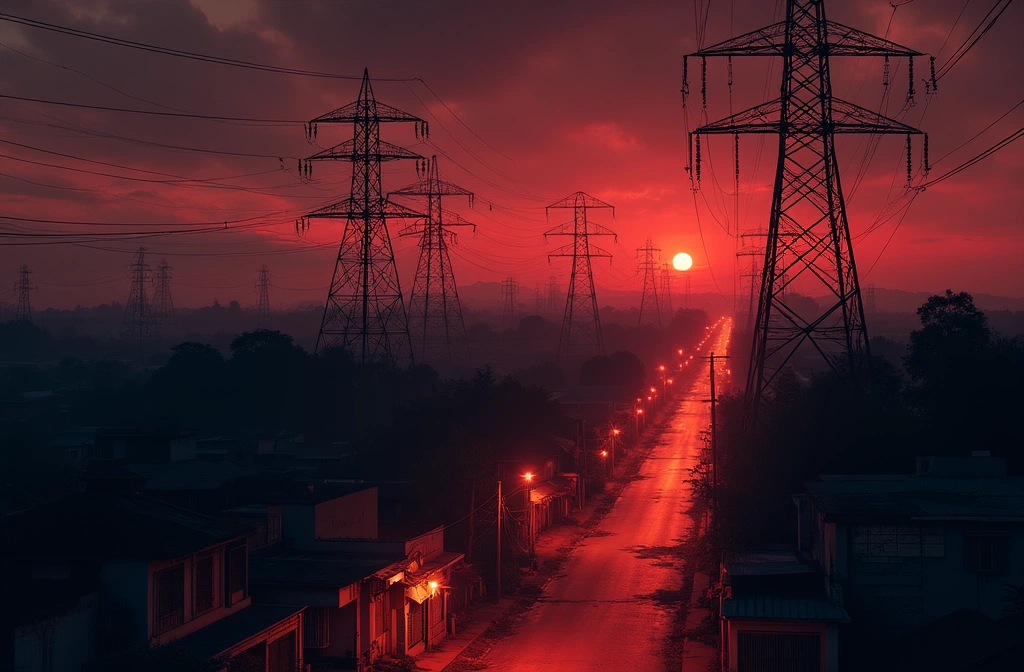
On May 14, 2026, the National Grid Corp. of the Philippines (NGCP) placed power grids serving Luzon and the Visayas under red alert status between 3 and 8 p.m., according to reporting by Philstar.com. The alerts resulted in blackouts affecting thousands of consumers across both regions during a six-hour window.
Red alert status indicates the grid is operating near maximum capacity with minimal reserve margin — a state where unexpected demand spikes or generation losses can trigger cascading outages. The fact that NGCP escalated to red alert (typically the highest pre-blackout warning tier) suggests either unexpected generation shortfalls, higher-than-forecast demand, or both.
For preparedness analysis, this matters because it demonstrates real-time vulnerability in a critical infrastructure system serving densely populated regions. The Philippines' grid depends heavily on diverse fuel sources (coal, hydro, renewable) and transmission corridors that concentrate risk. When alerts reach red status, the margin for equipment failure or supply disruption narrows to near-zero.
What to monitor: Watch whether NGCP issues similar alerts in coming weeks. Repeated red alerts suggest structural capacity constraints — aging generation assets, transmission bottlenecks, or seasonal demand patterns that the grid operator cannot absorb. Escalation would indicate the system is approaching a threshold where unplanned outages become more likely, not less.
Also track NGCP's public statements on generation status. If blackouts recur despite no stated emergency, it points to demand outpacing available supply during peak hours — a pattern that typically worsens before it improves, as grid upgrades take years to deploy.
For readers in affected regions: This event reinforces the case for 48-72 hour backup power capacity (battery, generator, fuel stores) and basic load shedding protocols at home. Grid alerts are advance warning systems. They work only if you act on them before the outage arrives.
