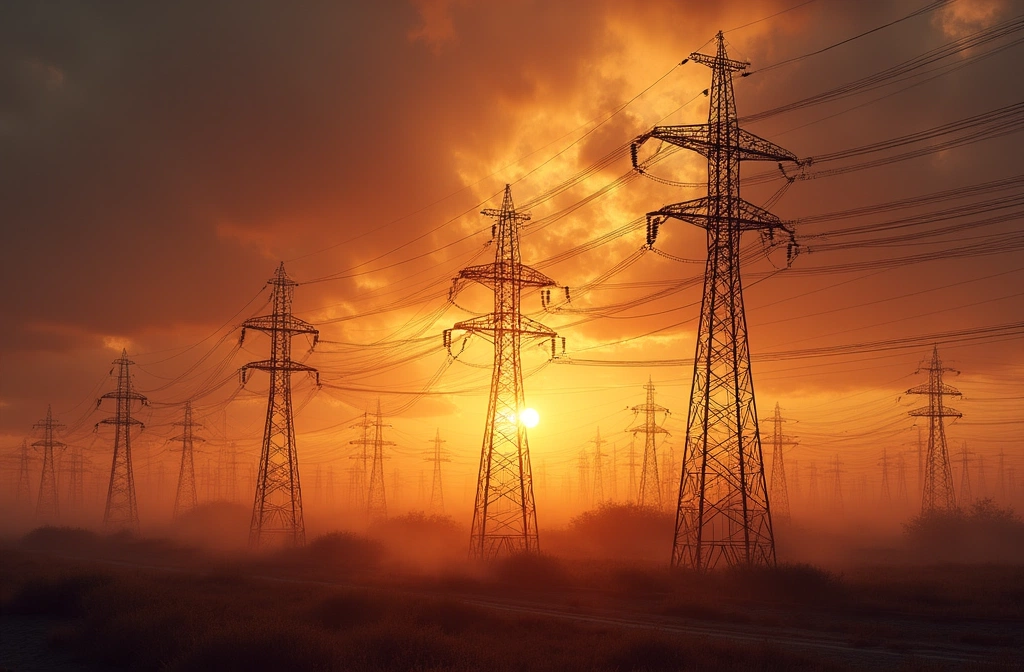
PJM Interconnection, which operates the largest U.S. power grid, issued an emergency alert amid a combination of extreme demand, equipment failures, and wholesale power price volatility, according to Seeking Alpha. The trigger: a heatwave driving peak consumption across multiple states served by the grid, compounded by simultaneous outages that reduce available supply.
This matters because PJM serves as the backbone for electricity distribution across the mid-Atlantic, Midwest, and portions of the Southeast. When the grid's largest operator moves to emergency curbs—typically demand reduction orders to large industrial users and voltage reductions—it signals the system is operating at or near its thermal and operational limits. Prices spiking under these conditions reflect real scarcity, not speculation.
The convergence of three stressors is the key signal: (1) weather-driven demand surge, (2) unplanned outages reducing generation capacity, and (3) price volatility indicating tight supply margins. Each alone is manageable; together they compress the grid's operational buffer.
What this reveals about grid vulnerability: modern U.S. grids operate with thinner safety margins than historical designs assumed. Aging infrastructure, deferred maintenance, and the transition to distributed renewable generation may increase the frequency of these near-miss events. Emergency curbs prevent blackouts but also signal that the grid has limited cushion for additional failures—a second major outage or sustained high demand could push past prevention into actual load shedding (rolling blackouts).
For preparedness context, this is not yet a widespread blackout event, but it demonstrates the conditions under which cascading failures become possible: tight margins + multiple simultaneous failures + weather stress = high-risk window. These windows are likely to recur as demand grows and infrastructure ages.
