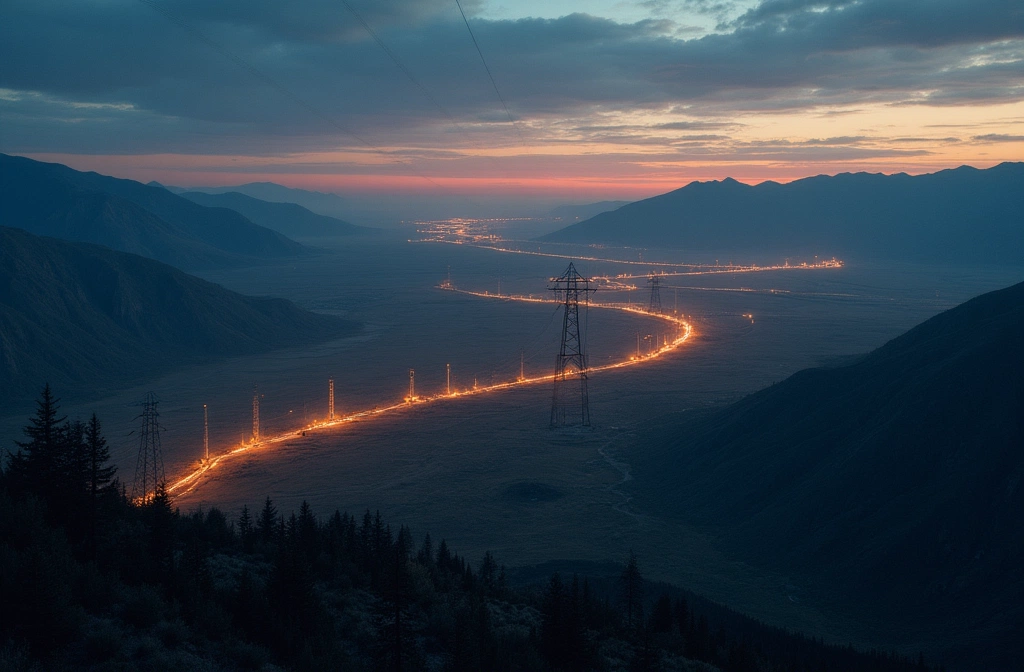
According to Travelers Today, a power grid emergency is currently spanning 17 states, with Montana and Wyoming explicitly identified as affected regions. The scope and duration of the emergency remain limited in available reporting, but the event has already created operational vulnerabilities for travelers in the affected zone.
The core issue: most commercial lodging and travel infrastructure assumes grid availability. When power fails, communication, reservation systems, water pumps, and guest services degrade rapidly. Travelers Today's reporting suggests that conventional "backup" claims from hotels and vacation rentals often mean little during actual grid failure — generators fail, fuel runs dry, or staff cannot access systems to communicate status.
For road travelers in or passing through affected states, this creates a specific risk vector. You may arrive at a reserved property to find it non-operational, communication down, and no clear way to pivot to alternatives. GPS, mobile navigation, and real-time reservation platforms all depend on cellular and grid infrastructure that may be compromised.
The practical signal here: don't assume your confirmed reservation or standard roadside services will function during grid emergency. Travelers Today's implicit guidance—charge power banks, download directions offline, and ask properties specific operational questions rather than accepting generic "we're prepared" assurances—reflects realistic assessment of how infrastructure actually behaves under stress.
Key distinction: this is not about panic or abandoning travel plans. It's about operating with degraded infrastructure assumptions. Know alternate routes. Carry paper maps. Confirm with lodging how they actually communicate during outages—not their backup generator capacity, but their actual guest communication protocol when systems are down. Stock your vehicle with water, snacks, and a charged power bank. These aren't doomsday measures; they're baseline travel hygiene in a grid-constrained environment.
