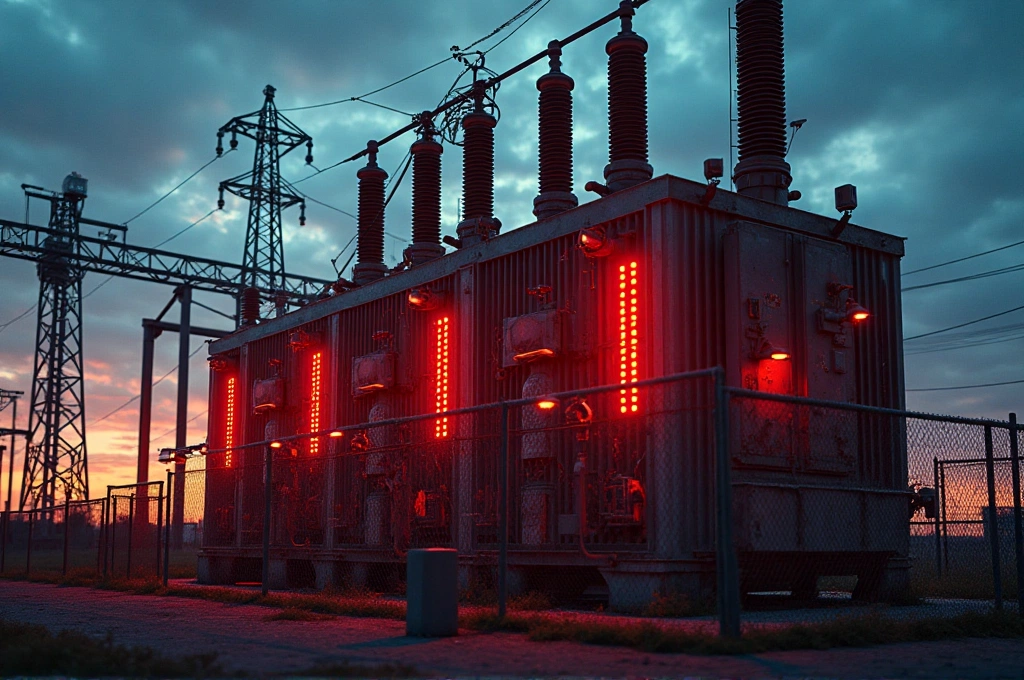
According to a Substack analysis by Eric Zorn referencing The New York Times' coverage of power grid vulnerabilities, the U.S. electrical infrastructure faces documented exposure to cascading failure scenarios. The piece frames a hypothetical attack on critical transformer assets—specifically mentioning a 20-minute window and small-scale physical action—as illustrative of systemic risk rather than as a detailed threat assessment.
The core concern centers on recovery timelines. Unlike regional outages (such as recent Northwest Indiana events), damage to key transformer stations could theoretically extend restoration efforts from weeks into months or longer, given the time required for manufacturing and installing replacement equipment. Transformers represent a genuine bottleneck in grid restoration—they are heavy, specialized, and largely manufactured abroad or in limited domestic capacity.
This is not new intelligence. The fragility of the high-voltage transformer fleet has been documented by the Department of Energy, academic researchers, and grid operators for over a decade. What this commentary signals is continued public discussion of a vulnerability profile that preparedness professionals should already be monitoring.
The distinction matters: The piece presents a thought experiment about infrastructure fragility, not a credible threat assessment or actor capability report. No specific threat actor, timeline, or operational planning is described.
What this tells us is that grid vulnerability remains a first-order preparedness concern not because of imminent risk, but because the technical conditions for extended outage—aging infrastructure, concentrated dependency points, limited spare capacity—are structural features of the current system. Regional resilience measures and backup power strategies remain proportional responses.
