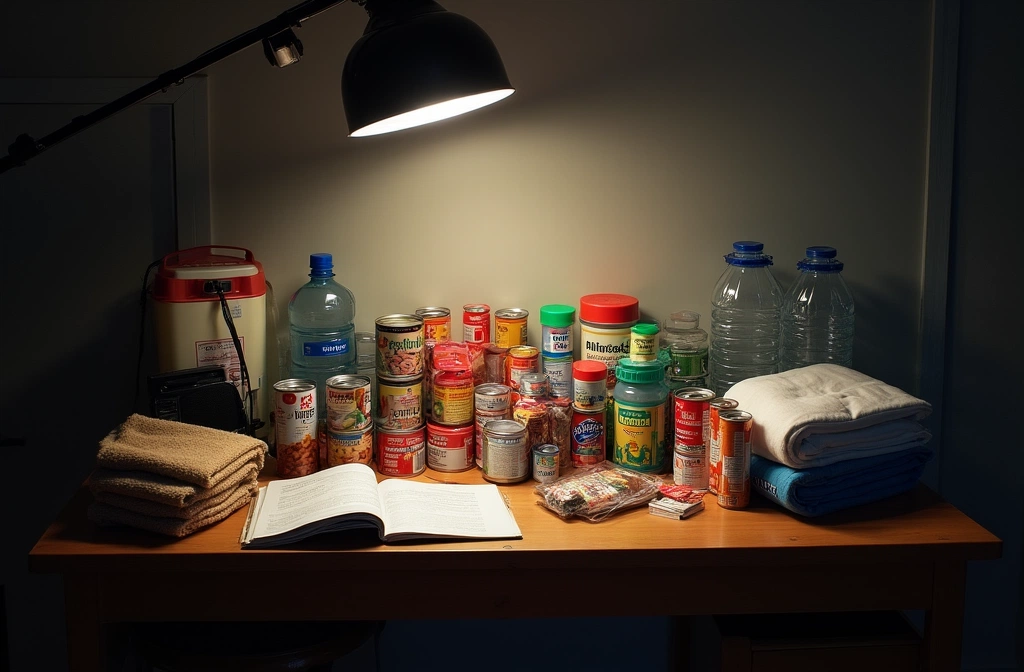
According to Homestead How-To, a fundamental power outage preparedness list begins with lighting infrastructure. The source emphasizes keeping multiple flashlights distributed throughout the home to avoid the common failure mode of searching for a single light source during darkness. LED flashlights are specifically recommended for their lower battery consumption compared to incandescent alternatives.
The guidance extends beyond basic torches. Battery-powered lanterns offer area lighting for larger spaces, while solar lanterns present a renewable option for extended outages when battery reserves deplete. This tiered lighting approach—personal flashlights, area lanterns, and renewable sources—reflects a graduated response strategy suitable for outages of varying duration.
Why this matters: Home power outages remain one of the most frequent infrastructure disruptions Americans face, whether from weather events, equipment failure, or grid stress. Unlike grid-wide blackouts, localized and residential outages often go without warning. A pre-positioned inventory eliminates the cognitive load and dangerous decision-making that occurs during the initial hours of darkness.
The lighting-first principle embedded in this checklist reveals a critical insight: psychological stability during outages depends on immediate environmental control. Darkness accelerates decision errors, increases injury risk, and compounds anxiety. Addressing lighting before food, water, or communication systems reflects the actual hierarchy of outage survival.
The mention of solar lanterns specifically suggests a shift in preparedness thinking toward hybrid systems—equipment that functions independently of battery depletion cycles. This may indicate growing recognition that multi-day outage scenarios require renewable or perpetual-charge solutions rather than pure consumable reserves.
What to watch: Monitor whether extended grid stress events—regional brownouts, cascading demand spikes, or seasonal peak-load periods—drive similar guidance from grid operators or FEMA. A consistent uptick in preparedness messaging from official channels would suggest utility operators perceive increased outage probability.
