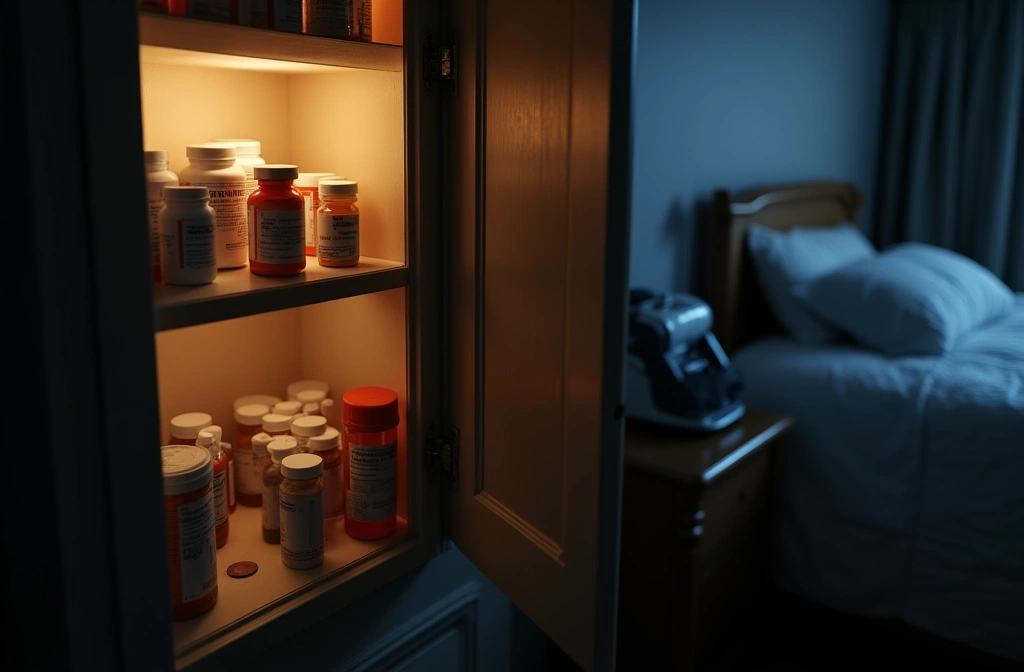
According to Harvard Health, power outages create serious health risks that extend beyond inconvenience—they directly threaten individuals dependent on medication storage and powered medical devices. The analysis identifies three core vulnerability areas: safe medication storage during temperature fluctuations, maintaining power for essential medical equipment, and emergency preparedness planning specific to health conditions.
This matters because most households lack explicit protocols for these scenarios. Medications requiring refrigeration (insulin, certain biologics) degrade rapidly without stable temperatures. Battery-dependent devices—CPAP machines, oxygen concentrators, dialysis pumps, insulin pumps—become non-functional within hours of power loss. For populations with diabetes, sleep apnea, respiratory disease, or cardiac conditions, outage duration directly correlates with medical risk.
The broader systemic angle: grid vulnerability is structural, not theoretical. Regional outages lasting 24-72 hours occur regularly; extended blackouts (days to weeks) remain low-probability but non-zero risks from severe weather, infrastructure failure, or cascading system events. Households managing chronic conditions represent a population segment with near-zero margin for error—they cannot simply "wait out" an outage.
Harvard Health's framing suggests the gap isn't medical knowledge; it's operational preparedness. Most people know medications need cool storage. Fewer have mapped which devices actually need power, calculated backup runtime, or identified pharmacy alternatives during outages.
The actionable signal here: if you or a household member relies on refrigerated medications or powered medical devices, your outage preparedness plan is incomplete without explicit health protocols. This includes backup power capacity (battery banks, generators scaled to device wattage), medication redundancy where possible, and direct conversations with prescribers about outage contingencies. For insulin-dependent patients, understanding room-temperature stability windows is critical. For CPAP users, battery backup runtime determines sleep apnea risk exposure.
This is not emergency theatre—it's risk mitigation against a known failure mode.
