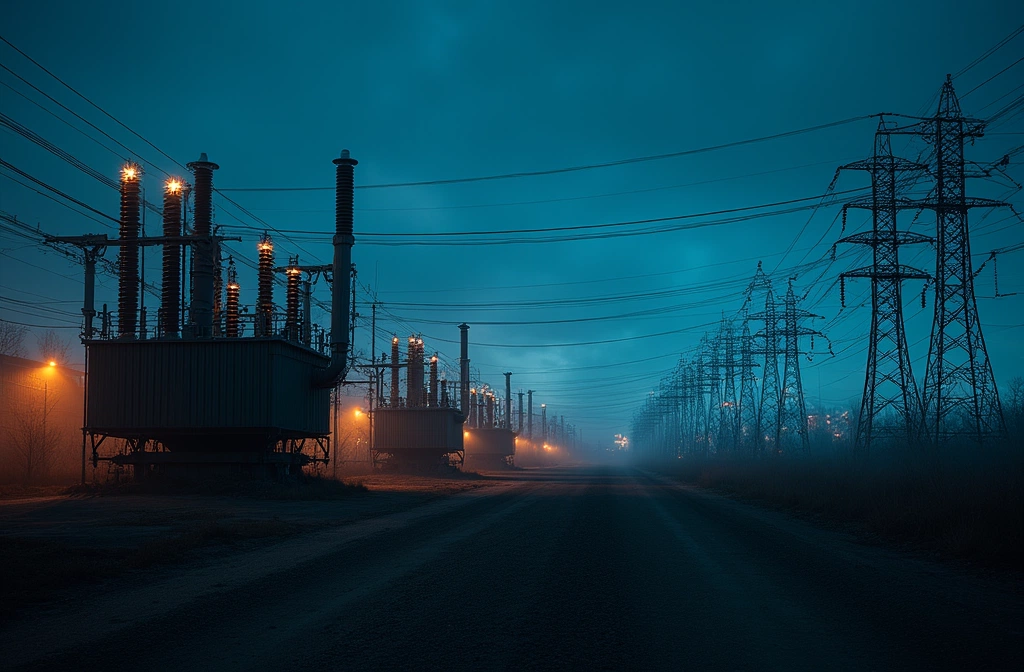
According to The Environmental Blog, power outages follow a predictable cascade of infrastructure failures that unfold across hours, starting with immediate communication loss and escalating to food safety concerns. The timeline moves from Wi-Fi and cellular dependency in the first hours through to refrigeration and water system stress as duration extends.
This matters because most outage preparedness focuses on dramatic worst-case scenarios—but the real risk sits in the intermediate window. That 4-12 hour zone is where medical devices fail quietly, where food in the refrigerator begins degrading, and where the absence of real-time information creates secondary problems. If you're relying on your phone for situational awareness, navigation, or alerts, that's gone in minutes. If you depend on municipal water pressure (which requires pump power), that's compromised within hours.
The Environmental Blog's framework highlights what most preparedness guides skip: the sequence matters. You don't face all problems at once—you face them in waves. The first wave is sensory and communication (darkness, silence, no data). The second is convenience and comfort (no heat, no refrigeration). The third, if extended, becomes functional (water systems, medical equipment, supply chains).
What makes this actionable: you don't need to prepare for everything simultaneously. The hourly breakdown suggests tiered readiness—backup lighting and communication methods for the first 12 hours, food and water security for 24-72 hours, and power for critical loads (medical, heating/cooling) for longer windows. Most households can address the first two tiers with modest investment and zero drama.
The real intelligence here is recognizing that preparedness isn't binary. It's layered. And understanding the timeline lets you prioritize which layers actually matter for your situation.
