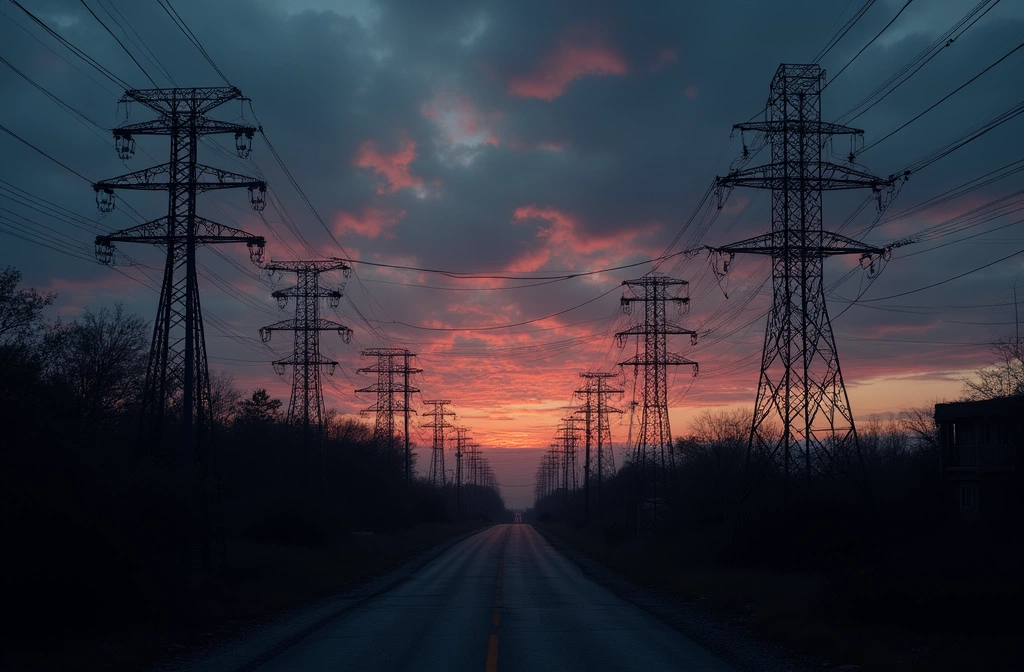
According to the U.S. Energy Information Administration (EIA), the duration of power outages in Puerto Rico not caused by major events increased 19% in 2025. This is a critical distinction: these are not hurricane-driven failures or large-scale weather emergencies, but rather outages tied to routine grid operations, maintenance windows, equipment failures, or localized system stress.
Why this matters. Puerto Rico's grid has been under reconstruction since Hurricane Maria devastated the island in 2017. The EIA metric isolates baseline reliability—the ability of the system to hold steady under normal conditions. A 19% jump in outage duration suggests the grid is not yet delivering the resilience that post-storm investment was intended to build. For residents and businesses on the island, this means increased exposure to extended blackouts even during periods without major weather threats.
For preparedness planners, the signal is broader: infrastructure recovery projects can show capex progress on balance sheets while operational reliability deteriorates in real time. Puerto Rico's experience is a live case study in the gap between reconstruction spending and actual grid hardening.
The outages also carry cascading implications. Extended power loss degrades water treatment, fuel distribution, hospital backup systems, and communications networks—each a potential amplifier of broader disruption. A 19% increase in outage duration means more cumulative hours without these critical services.
What to watch. Future EIA reports will indicate whether this trend continues, stabilizes, or reverses. Monitor local Puerto Rico utility reports (LUMA Energy) for root-cause data on these outages—equipment failures, inadequate maintenance capacity, or demand spikes will each suggest different risk trajectories. Any correlation between these baseline outages and weather season intensity would be particularly instructive for modeling compound failure scenarios.
