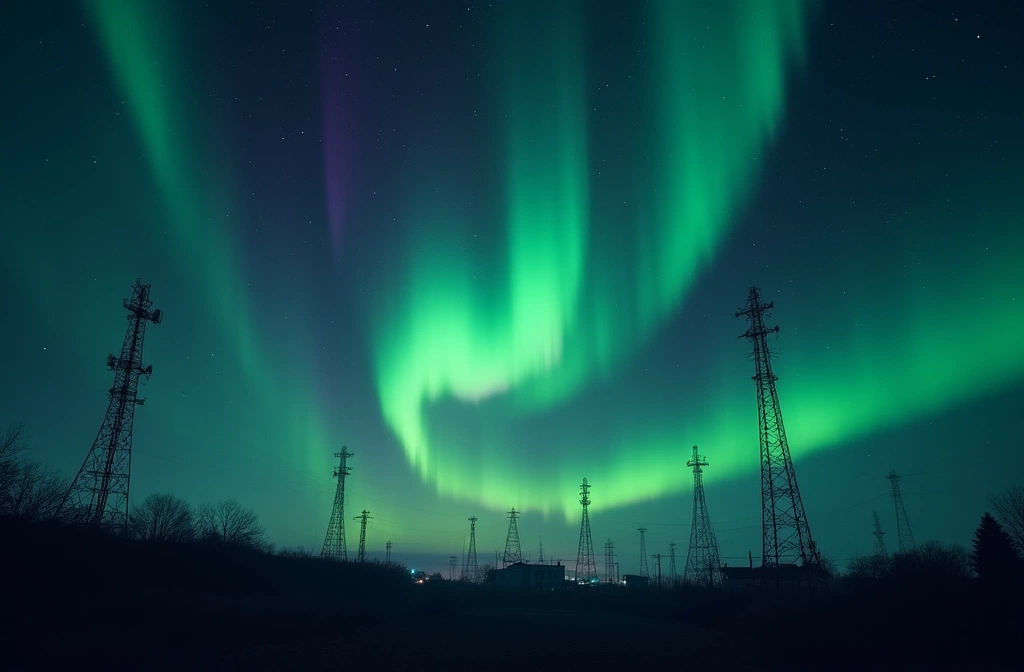
On 3 June 2026, R2 radio storm conditions were reached, according to NOAA's Space Weather Prediction Center. R2 events represent the lower end of the radio blackout scale—classified as "minor"—but they signal active solar disturbance capable of affecting specific infrastructure sectors.
R2 conditions typically produce:
• HF Radio degradation: Amateur radio, aviation, and maritime HF systems may experience signal fade or complete blackout on sunlit sides of Earth.
• GPS/GNSS disruption: Positioning accuracy degrades, particularly affecting precision navigation in agriculture, surveying, and some critical timing systems.
• Minimal grid risk at this level: Power transmission systems rarely experience measurable impact from R2 events alone, though they serve as baseline indicators of solar activity.
The key question for preparedness planning is trajectory. R2 conditions are genuine but modest. They warrant monitoring—not panic. NOAA continues to track solar activity, and the current classification suggests the event remains at emerging rather than sustained or escalating status.
What this means: If you rely on HF communications (emergency backup, amateur radio nets), test functionality now. GPS-dependent operations (drone flight, precision agriculture timing) should have non-electronic fallbacks ready. Broader grid operators monitor these events systematically; residential preparedness impact is low unless this scales into G-class geomagnetic storm territory.
The real preparedness value here is pattern recognition. Solar activity is cyclical and increasing toward solar maximum (expected 2024–2026). One R2 event is normal. Multiple R2+ events in rapid succession, or escalation to G-class geomagnetic storms, indicates seasonal vulnerability. Track NOAA's 3-day space weather outlook as your baseline indicator.
