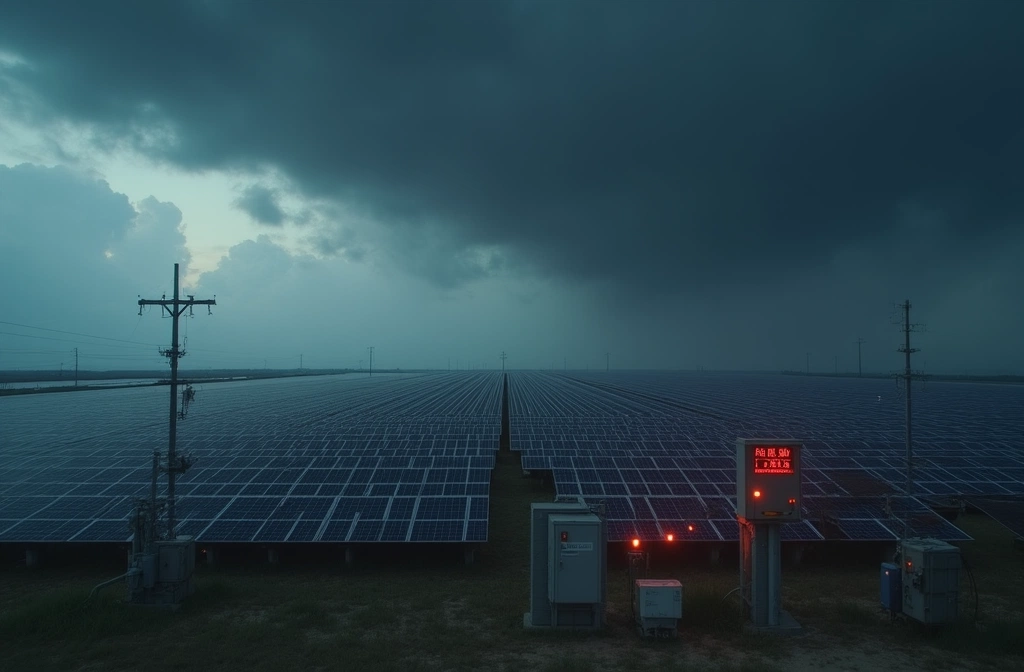
According to PV Magazine International, ransomware attacks against photovoltaic systems work by encrypting or locking critical PV system data and control platforms, rendering operators unable to access or manage their assets until a ransom is paid. These attacks can disrupt operations—a meaningful concern for distributed solar infrastructure that depends on real-time monitoring and management.
The threat is currently classified as low severity, but the signal pattern warrants attention: 19 sources across multiple outlets amplified the same coverage between April 15–17, 2026, suggesting industry awareness is spreading. The attack mechanism itself is not new—ransomware has targeted industrial and critical infrastructure for years—but application to renewable energy systems represents an expanding threat surface as solar becomes more networked and grid-integrated.
Why this matters: Solar installations increasingly rely on cloud-based and networked monitoring systems, inverter controls, and grid-integration software. A ransomware lock on these systems doesn't just stop revenue generation; it can fragment visibility across distributed arrays, complicate maintenance dispatch, and—at scale—create operational gaps in grid stability. Unlike a physical outage, encryption attacks are harder to diagnose remotely and may require offline recovery procedures.
The attack is not geopolitical in nature (no named threat actor or state nexus in available sources) but rather criminal opportunism targeting a sector that may not have matured its cyber defenses at the same pace as traditional utilities.
What to watch: Indicators of escalation would include targeting of larger utility-scale installations, coordinated attacks across multiple operators in the same region, or ransom demands that suggest actor sophistication. Currently, PV Magazine's coverage appears educational—explaining the threat mechanism—rather than reporting active widespread compromise. That distinction matters: it's a threat awareness cycle, not yet an active compromise event.
