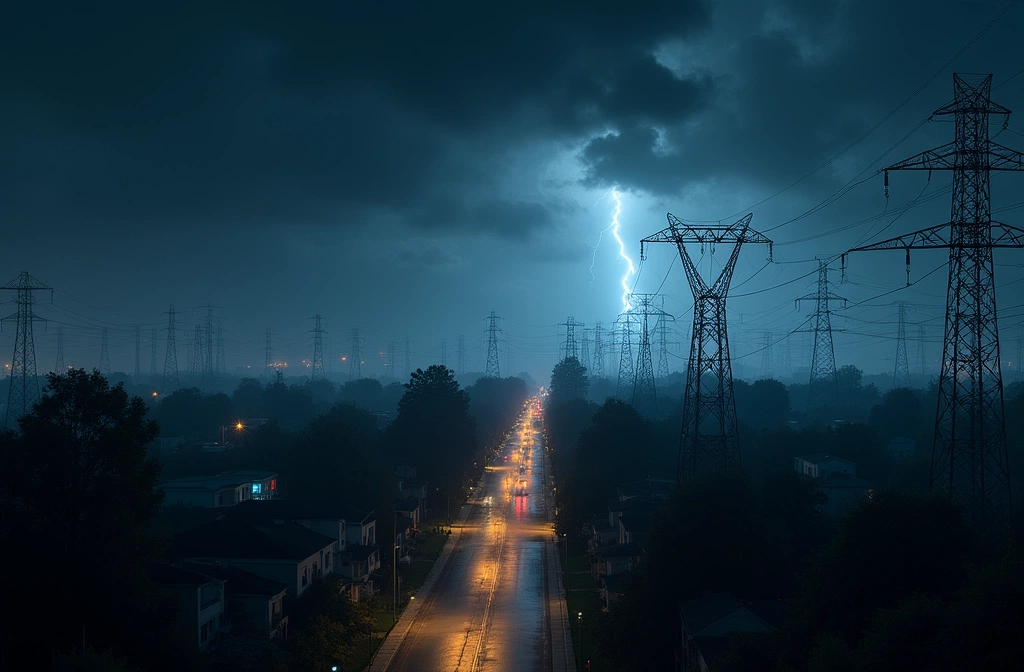
According to Hindustan Times reporting, severe thunderstorms in Bexar County, Texas left approximately 40,000 people without power on Friday. The storms brought heavy rain and lightning activity to the San Antonio area, with CPS Energy (the local utility) providing outage maps to track affected zones. Road closures accompanied the weather event, compounding response challenges.
This is a localized, weather-driven outage—not a systemic grid failure. But it's worth attention because it fits a pattern: thunderstorms remain one of the most common triggers for power disruptions in the continental U.S., and grid operators have limited ability to predict or prevent weather-driven equipment failures in real time.
What matters here: First, the scale. 40,000 customers offline is significant for a metro area but contained. Second, the speed. Severe weather can cascade from clear skies to widespread outage in minutes—faster than manual response protocols. Third, the visibility. CPS Energy published live outage maps; this transparency is standard now, but it also means real-time information about infrastructure stress is available to anyone watching.
For preparedness, this event is instructive for one reason: it wasn't caused by grid mismanagement, cyber threat, or solar activity. It was weather. And weather will continue to drive outages. The question isn't whether this happens again—it will—but whether you have 72-hour resilience built in: water storage, alternative power (battery backup, generator), communications backup, and medications/medical equipment that don't depend on household power.
CPS Energy's rapid deployment of outage maps suggests utility response coordination is functional. But individual resilience—the gap between when power drops and when it comes back—is what separates readiness from improvisation.
