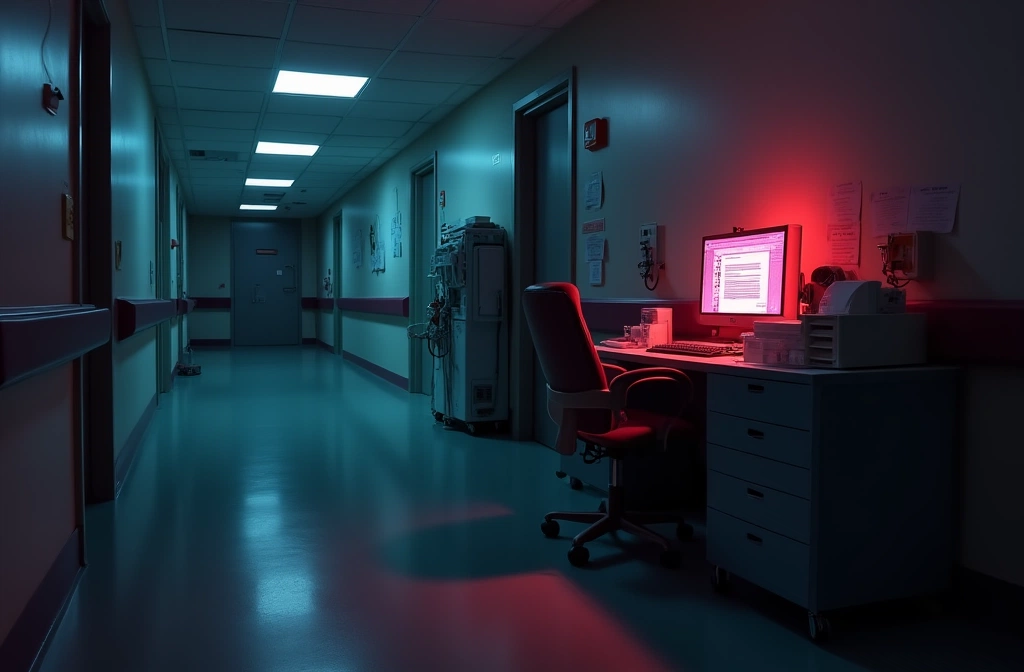
In May 2025, Sandhills Medical Foundation suffered a ransomware breach that compromised the personal and medical data of 169,000 patients, according to CISO Whisperer. The incident remained largely contained in security circles until recently, when class action investigations began drawing public attention nearly one year after the initial discovery.
This timeline matters. Healthcare infrastructure operates on trust and continuity—patient records, billing systems, appointment scheduling, and prescription management are critical to clinical operations. A breach of this scale suggests either (a) delayed detection of the intrusion, or (b) delayed public notification and patient awareness. Both carry preparedness implications.
From a systemic perspective, the lag between breach occurrence and litigation activity reveals a significant gap in healthcare incident response and transparency. Patients affected nearly a year ago are only now becoming aware of potential identity theft, medical fraud, or insurance exposure. This delay compounds damage and reduces the window for affected individuals to implement protective measures.
The fact that class action scrutiny has now materialized suggests the breach meets threshold criteria for group liability claims—likely involving inadequate security controls, delayed breach notification, or both. According to Security Boulevard's reporting, this case is drawing sustained attention from legal observers tracking healthcare data incidents.
For preparedness-minded readers with medical records in institutional systems: this case reinforces a hard truth. Your healthcare provider's security posture is not always visible to you until after a breach. The presence of class action activity doesn't remediate the original exposure—it only initiates the process of legal accountability, which typically unfolds over years, not months.
Watch for: (1) Settlement timelines and payout amounts, which will signal what courts view as adequate compensation for healthcare data exposure; (2) Any statements from Sandhills Medical Foundation regarding security improvements post-breach; (3) Whether this case influences state or federal healthcare privacy enforcement actions.
