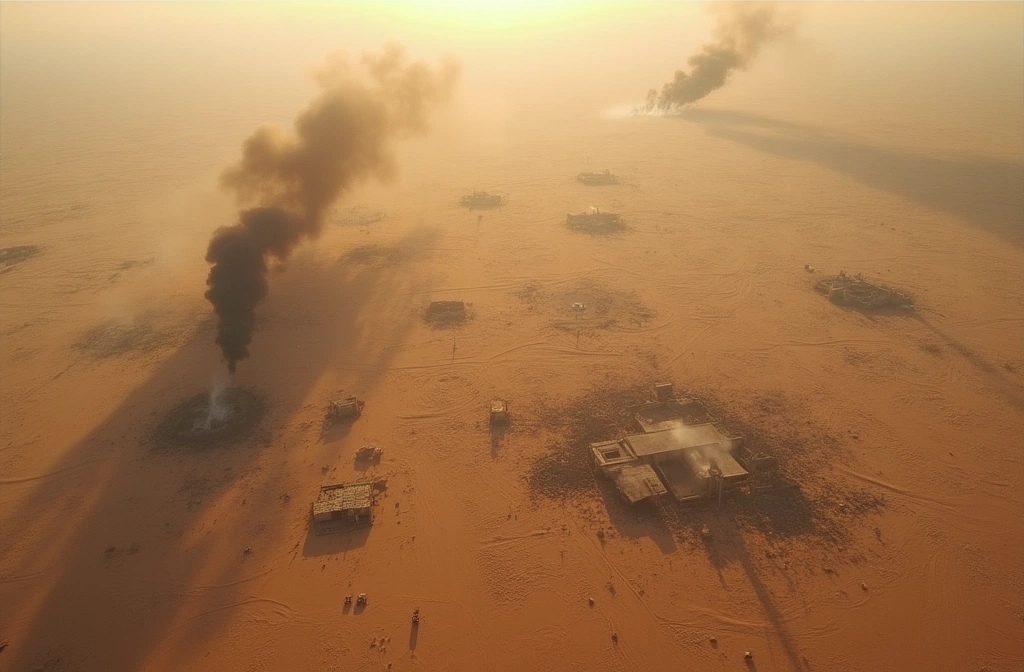
According to Washington Post analysis of satellite images, damage has been identified across 15 US military sites in the Middle East following Iran strikes. The documented damage includes air defense systems, aircraft, and communications facilities. Critically, the Post's assessment suggests the material toll extends beyond what Washington has publicly acknowledged.
For preparedness purposes, this development signals three operational concerns. First, communications infrastructure—already fragile in conflict zones—appears compromised at multiple sites simultaneously. Second, air defense degradation creates cascading vulnerabilities for remaining systems. Third, the discrepancy between official statements and satellite evidence indicates either delayed damage assessment or strategic opacity about actual operational impact.
This matters because US military infrastructure redundancy depends on known damage tallies. If assessments lag reality, decision-makers and allied partners operate on incomplete information. For civilian preparedness, military communications disruptions can ripple into civilian emergency response networks, particularly in regions where dual-use infrastructure exists.
What to watch: Monitor official Department of Defense statements in coming days for updated damage assessments. Watch for statements addressing air defense capability restoration timelines—if these extend beyond 30 days, it suggests deeper system integration damage. Track statements from regional allies (Israel, Gulf states, Iraq) about their own operational status; coordinated damage acknowledgment patterns indicate actual severity better than US-only statements.
Also monitor communications continuity: delayed official responses or inconsistent messaging across service branches may signal internal assessment confusion or operational disruption cascading into command channels themselves. Infrastructure damage assessments typically take 72-96 hours for accurate tallying; significant gaps beyond that window warrant scrutiny.
