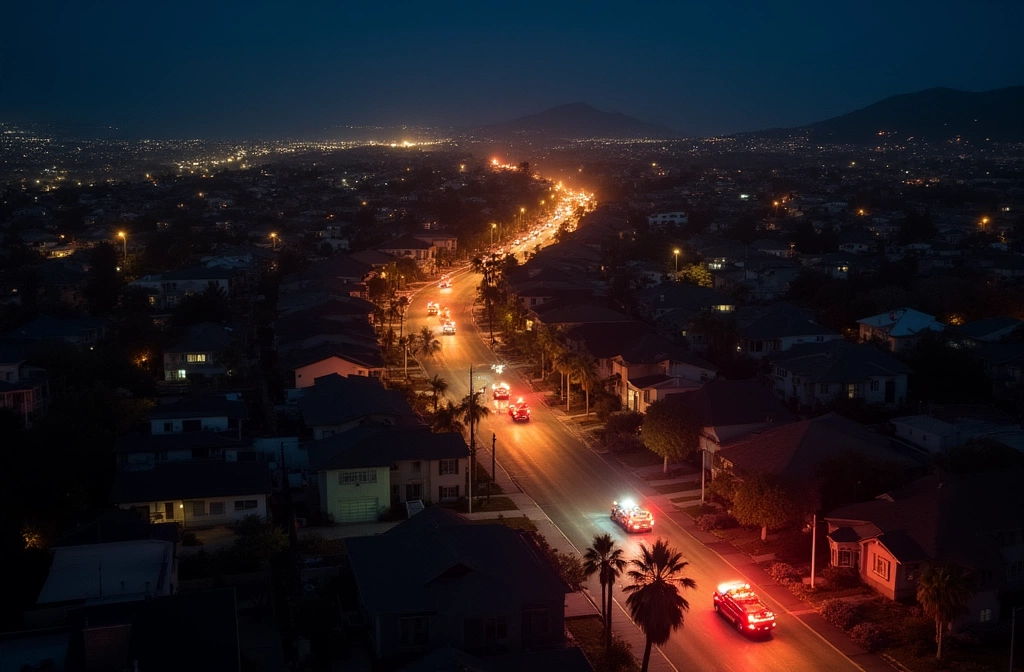
According to Oceanside, CA Patch, three communities—each serving fewer than 100 homes—experienced a power outage on Monday. The cause remains unidentified, according to SDG&E's public statements captured in the reporting.
This is a low-severity event affecting a small footprint, but it illustrates a critical preparedness reality: localized grid failures happen regularly, often with incomplete or delayed explanation from utilities. When cause is unknown, operators and residents lose actionable intelligence needed to predict recurrence or prepare for similar events.
The Oceanside outage is not a systemic grid emergency. However, it fits a broader pattern worth tracking: small, unexplained outages can signal equipment degradation, inadequate maintenance protocols, or growing operational blind spots in aging distribution infrastructure. SDG&E serves over 3.6 million customers across Southern California; incidents in individual communities often don't trigger public root-cause analysis until patterns emerge.
For preparedness purposes, this event highlights why households in utility service areas should maintain independent power resilience—not because one outage in three neighborhoods indicates imminent large-scale failure, but because utilities themselves may not understand failure modes until they accumulate.
The lack of identified cause is the signal. Grid operators should be able to quickly attribute outages to equipment failure, weather, vegetation contact, or demand spikes. When cause is missing from early reporting, it suggests either investigation is still ongoing or the cause isn't immediately obvious—both scenarios worth noting.
