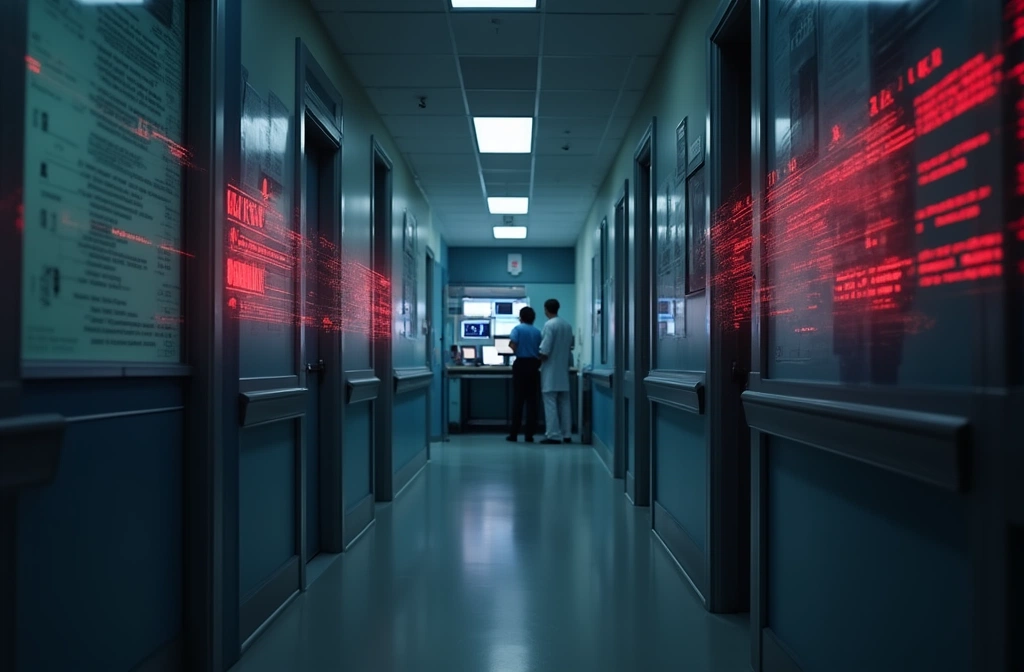
According to The HIPAA Journal, two senior care providers have been hit by ransomware attacks as of April 19, 2026. The incidents represent active threats to healthcare delivery systems that depend on uninterrupted access to patient records, medication schedules, and operational networks.
Why this matters: Senior care facilities operate on thin IT margins. Unlike large hospital networks with dedicated cybersecurity teams, these providers often run legacy systems, limited backup infrastructure, and smaller security budgets. A ransomware attack doesn't just lock data—it can delay medication administration, disrupt care coordination between facilities, and force facilities into manual paper-based operations that introduce new failure points.
The HIPAA breach implications are significant. Patient data compromised in these attacks may include Social Security numbers, insurance information, and detailed medical histories. Affected individuals face years of identity theft risk and must navigate breach notification processes.
What to watch: Track whether these incidents share technical indicators (similar malware strains, entry vectors, or targeting patterns). Clusters of healthcare attacks often signal either a shift in attacker strategy or a newly discovered vulnerability being exploited across the sector. If more facilities report hits in the next 30 days, that's a pattern worth noting.
For readers with elderly family members in senior care: Request confirmation from your facility about their incident response plan, backup systems, and whether they have been affected. Ask specifically about paper-based contingencies and how long operations can sustain without electronic systems. This isn't paranoia—it's due diligence. Healthcare facilities should be transparent about their resilience posture, and your questions create accountability.
The broader signal: Healthcare ransomware remains a high-confidence attack vector because victims face impossible choices—pay or watch patient care degrade. Until the sector hardens authentication, segmentation, and backup architecture, these hits will continue.
