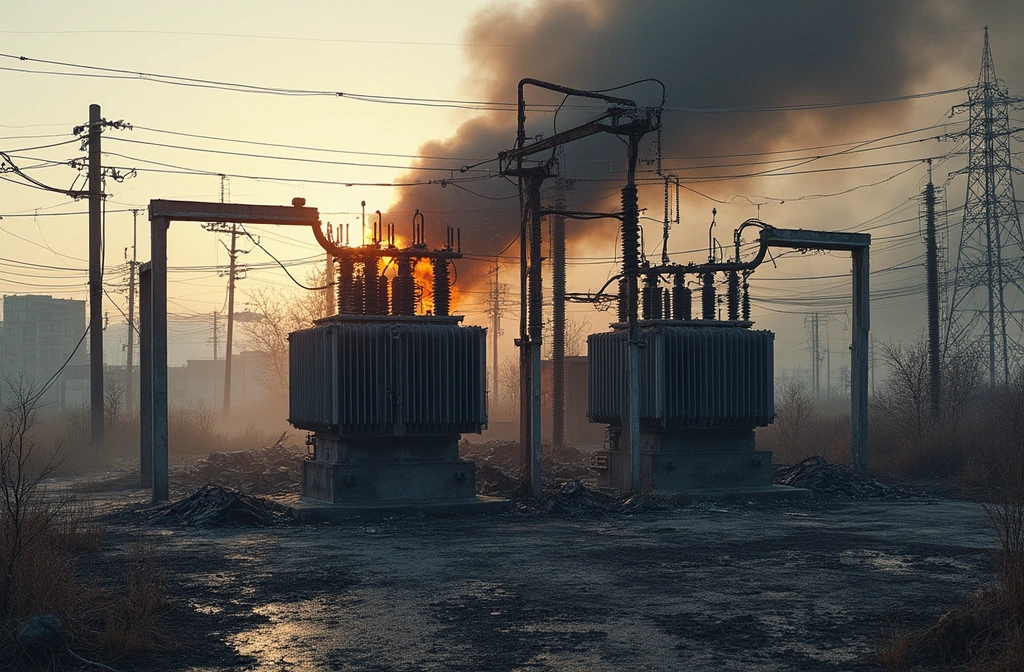
On 2026-06-25, the main power substation serving Sevastopol in Crimea sustained a strike, resulting in an immediate and significant grid disruption. According to Parliament News, the incident caused suspension of all trolleybus operations—a critical public transit system. Mikhail Razvozhayev, the Russian-installed governor of the city, confirmed the blackout via Telegram and advised residents to keep children at home and exercise caution while restoration crews worked to rebuild the grid.
Why this matters: Power substations are backbone infrastructure. When hit, they don't fail gracefully—they cascade. The immediate suspension of public transit signals cascading effects beyond electricity generation. Water pumping stations, fuel distribution, hospital backup systems, and communications infrastructure all depend on grid stability. A substation strike that forces public advisories suggests restoration is not instantaneous.
For preparedness-minded readers, this event illustrates how modern urban infrastructure—even in fortified or contested regions—remains vulnerable to precision strikes. The speed of the outage and the immediate need for public guidance indicates limited redundancy or rapid failover in that grid segment.
What to watch: Monitor whether restoration timelines extend beyond hours into days, whether neighboring regions experience cascading blackouts, and whether similar strikes on other critical nodes (fuel terminals, water treatment, communications hubs) follow. Escalation in infrastructure targeting—moving beyond military assets to civilian grid systems—changes the operational environment and could indicate a broader shift in targeting doctrine. Regional power grids under stress tend to fail faster during secondary incidents. Watch for statements from Russian energy officials about damage scope and repair timelines; vague or delayed assessments often signal severity understatement.
