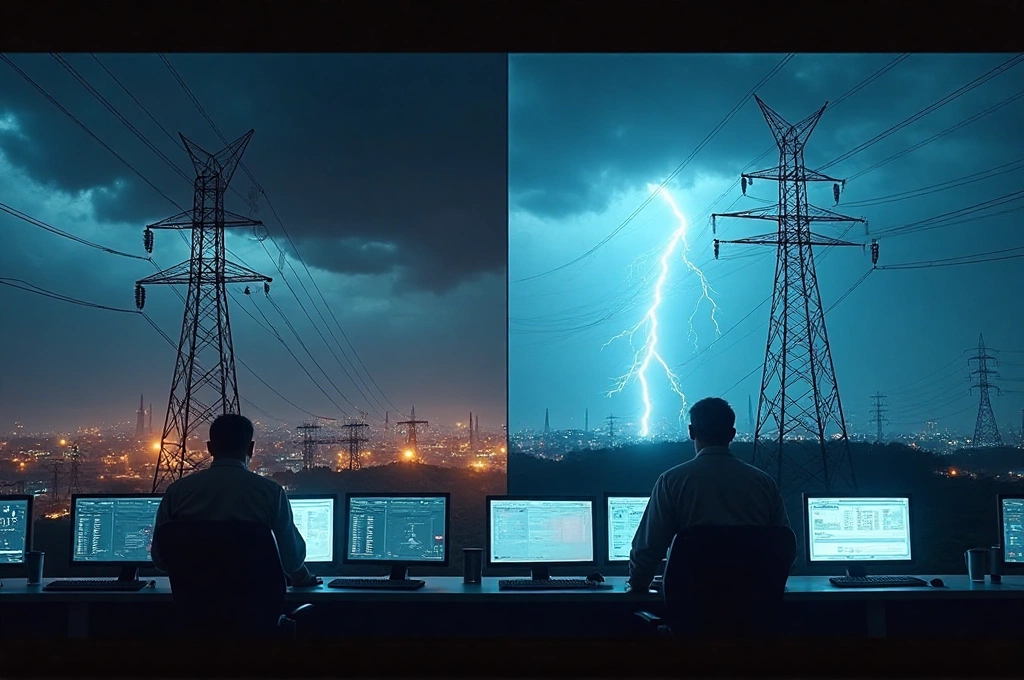
In mid-August 2026, severe weather systems caused widespread, damaging blackouts in both Gary, Indiana and Phoenix, Arizona, according to reporting referenced in The New York Times. The incidents are notable not for their scale alone, but for what they expose about cascade risk in grid infrastructure.
When weather events strike regions with aging or interdependent backup systems, extended outages become possible. According to The Times, if an outage proves severe enough—though assessed as unlikely—duration could stretch to years. That threshold matters: most household and commercial backup assumes days, not months or years.
Historically, large-scale grid events have demonstrated how quickly infrastructure can fail across wide areas. The March 13, 1989 geomagnetic storm that collapsed the Hydro-Québec grid left approximately six million people without power. That event occurred decades before today's grid complexity—more distributed generation, more digital controls, more interdependencies.
The August 2026 blackouts were weather-driven, not geomagnetic. But they serve as a live-system test: How did backup systems perform? Did they activate on schedule? Did they fail under load? Did cascades occur? These operational details matter far more than the event itself.
For preparedness professionals, the signal is structural: Backup infrastructure is only reliable if it operates independently. When primary and backup systems share vulnerabilities—common fuel sources, shared transmission corridors, correlated weather exposure—both can fail together. That's not redundancy. That's false confidence.
The Gary and Phoenix incidents suggest we should be watching: Are utilities publishing after-action reports? Are they identifying what failed and why? Are backup protocols being revised? Silence on these fronts would indicate the findings aren't being acted upon—which means the same conditions remain in place for the next event.
