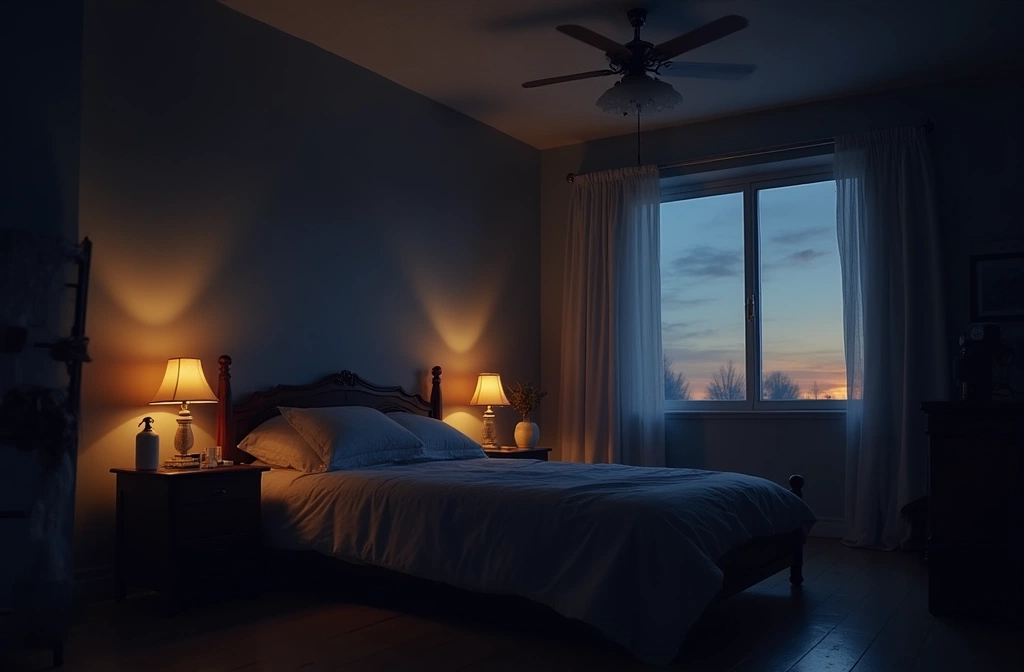
Heat management during grid-down scenarios is a preparedness blind spot. Most planning focuses on food, water, and security—but sleep deprivation compounds every other operational challenge. The Savvy Survivalist identifies five critical variables that shift outcomes: where you position yourself to sleep, what you wear, which bedding you use, how you control window exposure, and whether you allocate battery power to fans.
This matters because sleep is a performance multiplier. Degraded sleep impairs decision-making, increases errors, weakens immune response, and accelerates fatigue during high-stress scenarios. A prolonged grid outage—whether from solar activity, infrastructure failure, or other causes—removes AC precisely when outdoor heat stress is highest, typically during summer conditions.
The source emphasizes that small choices compound. Strategic window management (timing of opening/closing to regulate heat flow), fabric selection for breathability, and positioning away from heat-absorbing surfaces create measurable differences without requiring fuel, batteries, or mechanical systems. Battery-powered fans represent a tradeoff: they improve comfort but consume finite power reserves that may be needed for communications, lighting, or medical devices.
What makes this actionable: these are reversible decisions you can test now. Experiment with sleeping arrangements during warm weather using only fans or no cooling—not during an actual crisis. Identify which bedding materials, sleeping positions, and room configurations work for your household. Test window-opening schedules to understand heat flow patterns in your home.
The gap this addresses is practical: most blackout guides assume you'll adapt on the fly. Preparedness means running this experiment before you're sleep-deprived and stressed. This isn't luxury planning—it's operational resilience. When the grid is down and ambient temperature is high, the ability to achieve consistent sleep is the difference between functional decision-making and degraded performance.
