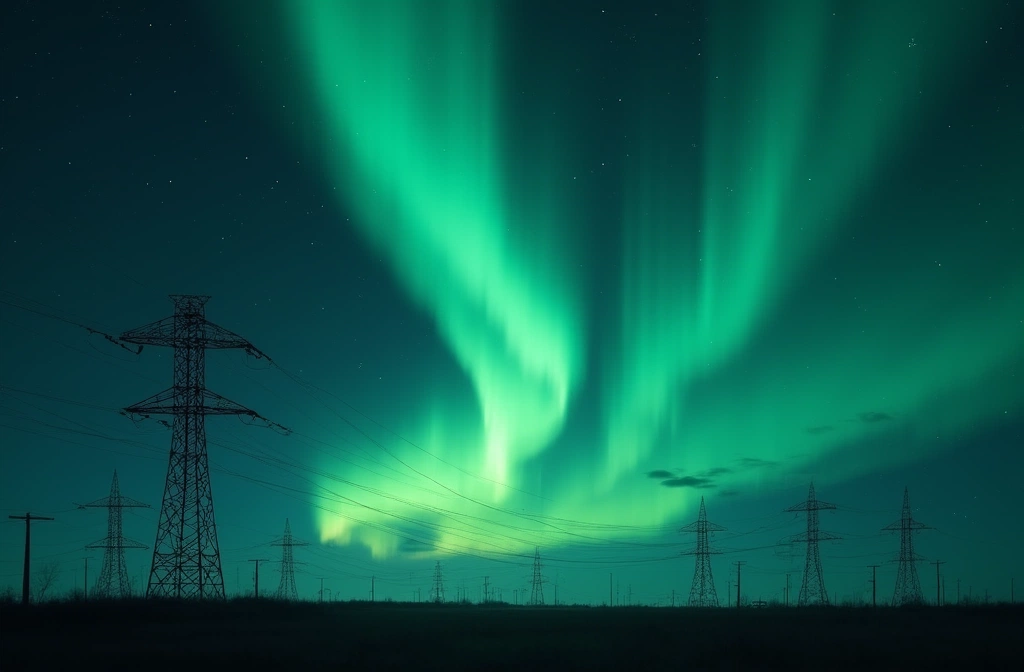
Big Rapids Pioneer reported increased chances of northern lights visibility on July 4th following a solar flare event. The article notes a correlation between recent solar activity and aurora probability, though specifics on the flare's magnitude, timing, or official geomagnetic classifications are not detailed in available sources.
For preparedness context: minor to moderate solar activity—typically rated G1-G2 on NOAA's geomagnetic storm scale—produces aurora at higher latitudes but carries negligible risk to power grids, communications infrastructure, or satellite operations. Such events are routine during solar maximum cycles and do not warrant infrastructure-level precautions.
However, the signal carries preparedness relevance for a different reason. Solar flare events exist on a spectrum. While this particular event appears benign, it serves as a baseline reminder that the sun remains in an active phase. Major geomagnetic storms (G4-G5 rated) do pose legitimate grid and communications risks—and they typically arrive with minimal warning once a coronal mass ejection (CME) is en route to Earth.
The gap between 'pretty aurora' and 'grid-scale threat' is not always obvious in headline reporting. This event should not trigger emergency preparations, but it is a useful prompt to verify that baseline redundancies are in place: backup power systems tested, critical data backed up offline, emergency contact lists current.
What to watch: NOAA's Space Weather Prediction Center maintains real-time geomagnetic storm forecasts. Readers monitoring solar activity should track the difference between visual aurora events (low risk) and official G3+ storm warnings (moderate to high risk). A sustained pattern of major flares or unexpected CME clusters would be a legitimate escalation signal.
