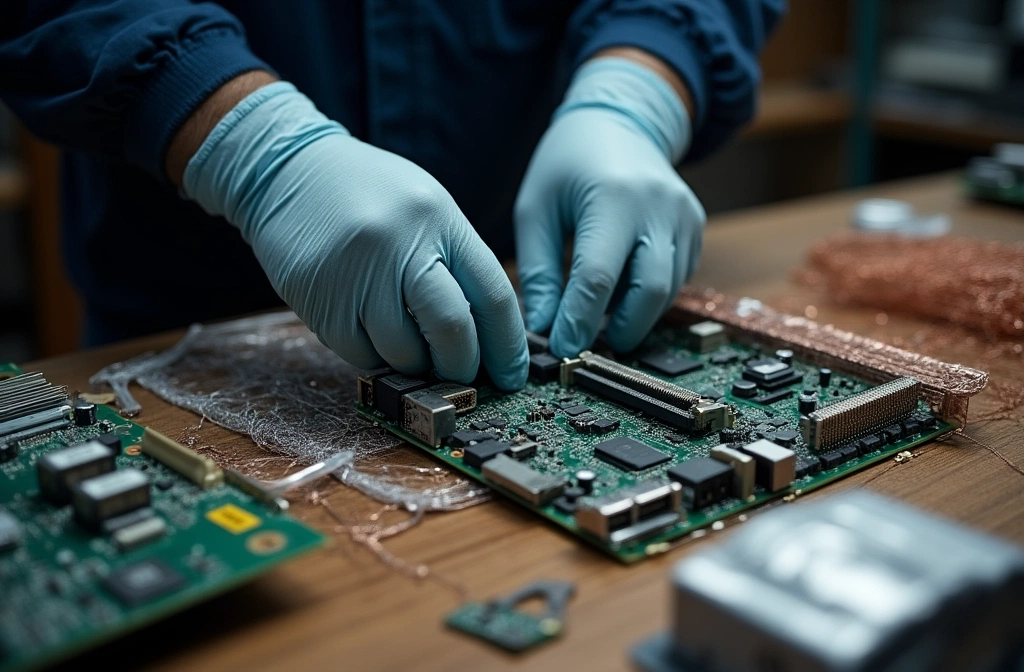
According to AEANET, solar flare preparation breaks into three core pillars: shielding sensitive electronics, establishing alternative communication methods, and stocking essential supplies including food, water, and medicine.
Why this matters: Solar flares and coronal mass ejections (CMEs) can disrupt power grids and damage electronics infrastructure. Unlike earthquakes or hurricanes, there's minimal warning once a major event is in progress. The silent nature of the threat—invisible to the naked eye, felt only through cascading infrastructure failures—makes advance preparation the only practical mitigation.
The AEANET brief doesn't specify which flare magnitude poses real grid risk (that distinction matters—not all flares are created equal), but the preparedness framework it outlines is sound: electronics shielding through Faraday cages or hardened storage for critical devices; backup communication tools independent of the grid (radios, pre-charged power banks, paper maps); and 30+ days of food, water, and medicines to weather potential supply-chain disruption during grid recovery.
What separates serious preparation from theater: Most households focus on the wrong order. AEANET's emphasis on independence from external power and communications first—before worrying about generators—is correct. If the grid goes down regionally or nationally, you won't be calling utilities or waiting for fuel trucks.
This emerging signal carries low severity because solar events remain probabilistic and detection systems exist. NOAA's Space Weather Prediction Center monitors solar activity in real-time. But the framework AEANET presents—hardened electronics + comms redundancy + supply buffer—applies to multiple infrastructure scenarios beyond solar flares alone.
Key watch: NOAA's geomagnetic storm indices. The agency issues formal alerts when solar activity reaches threshold. For individual households, the real indicator is whether your critical electronics (medical devices, backup power systems, communications gear) are already protected or still vulnerable.
