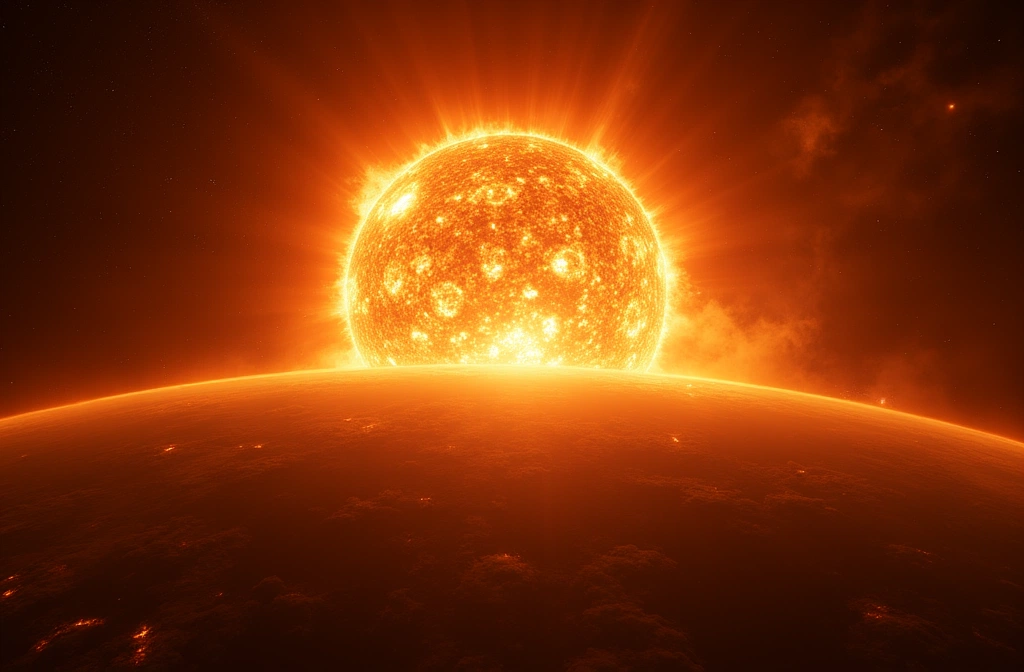
According to Gulf News reporting, Earth experienced a significant geomagnetic threat in May 2024 when multiple coronal mass ejections (CMEs) struck in rapid succession, producing what the source identifies as the first G5 (Extreme) rated geomagnetic storm in the current solar cycle. This event directly targeted three critical infrastructure systems: satellites, GPS networks, and power grids.
The distinction here matters for preparedness planning. Solar maximum—the peak of the Sun's 11-year activity cycle—does not represent a hard cutoff for risk. Gulf News reporting indicates that geomagnetic disruption threats persist even after the solar maximum peak has passed. The May 2024 event demonstrates this: it was powerful enough to achieve the highest NOAA geomagnetic storm classification, indicating that vulnerability windows remain open for extended periods.
For infrastructure operators and preparedness-minded readers, the threat vector is straightforward: CMEs generate geomagnetic storms that induce electrical currents in long transmission lines, potentially triggering cascading power outages. Satellite operations face radiation damage and orbital decay. GPS systems experience signal degradation affecting navigation, timing, and financial transaction settlement. These aren't theoretical risks—the May 2024 event provided a live test of how current infrastructure performs under extreme solar stress.
What distinguishes this event from routine space weather: the rapid succession of multiple CMEs means Earth's magnetosphere received compounded impacts in short timeframe. Single-event recovery protocols assume spacing between events. Rapid successive strikes compress response windows and can overwhelm mitigation systems.
The operational question for grid operators, communications providers, and critical infrastructure managers is clear: if May 2024 achieved G5 classification mid-cycle, what margin exists before another event of equal or greater magnitude occurs? Solar activity remains elevated. Forecasters cannot predict precise timing of major CME events, only that they occur with statistical regularity during solar maximum phases.
