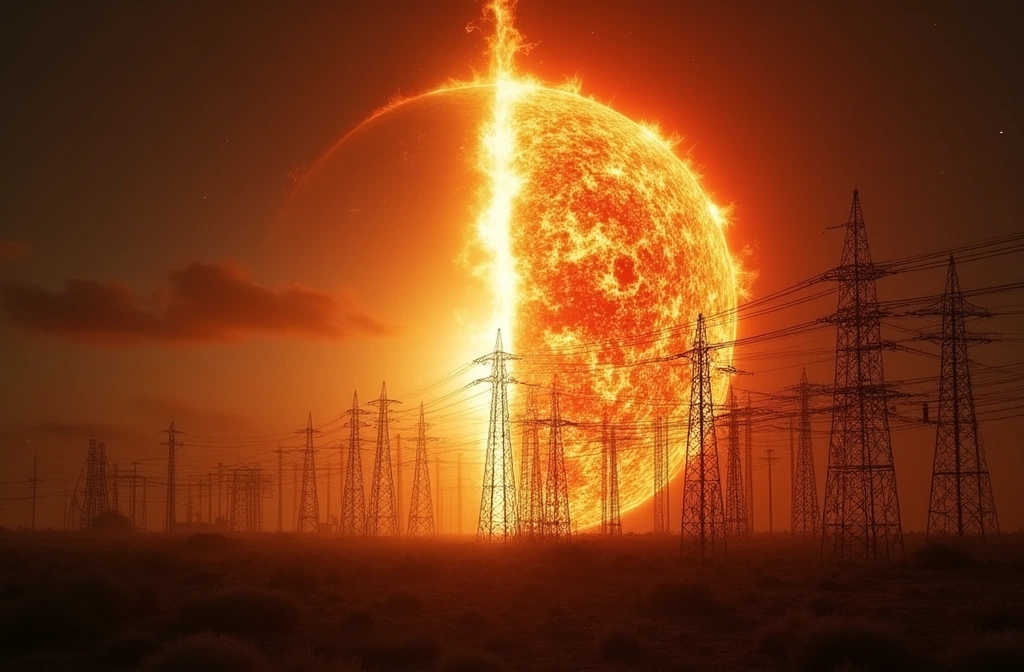
According to SciTechDaily, Earth may be far more vulnerable to powerful solar storms than scientists previously realized, with extreme events potentially hitting modern technology twice as hard as earlier models indicated.
This matters because our electrical grid, communications networks, and satellite systems depend on accurate threat modeling. If vulnerability estimates were systematically underestimated by a factor of two, the baseline assumptions for grid hardening, backup systems, and emergency protocols may be inadequate.
The implications cut across multiple infrastructure layers. A Carrington Event-scale solar storm in 1859 knocked out telegraph systems across the Northern Hemisphere—the only technology dependent on long-distance wiring at the time. Today, an equivalent event would impact power transformers, undersea fiber-optic cables, GPS networks, and the control systems that manage everything from water treatment to financial settlement. If the damage potential is twice what grid operators have planned for, cascading failures become more probable, not less.
This finding also highlights a persistent preparedness blind spot: models are assumptions. When those assumptions shift, entire risk calculations move. The electric power industry and government agencies have built resilience strategies on previous generation models. A doubling of vulnerability severity suggests those strategies may need reassessment—not panic revision, but serious review.
What makes this critical now is the timing. Solar activity follows an 11-year cycle, and we're currently in an active period. The sun is capable of producing extreme storms without warning. This research doesn't change the probability of a major event occurring, but it does change the severity assessment if one does.
The baseline question for any organization or household with infrastructure dependencies: Are your assumptions about system resilience based on yesterday's models or today's data? That gap is where real risk lives.
