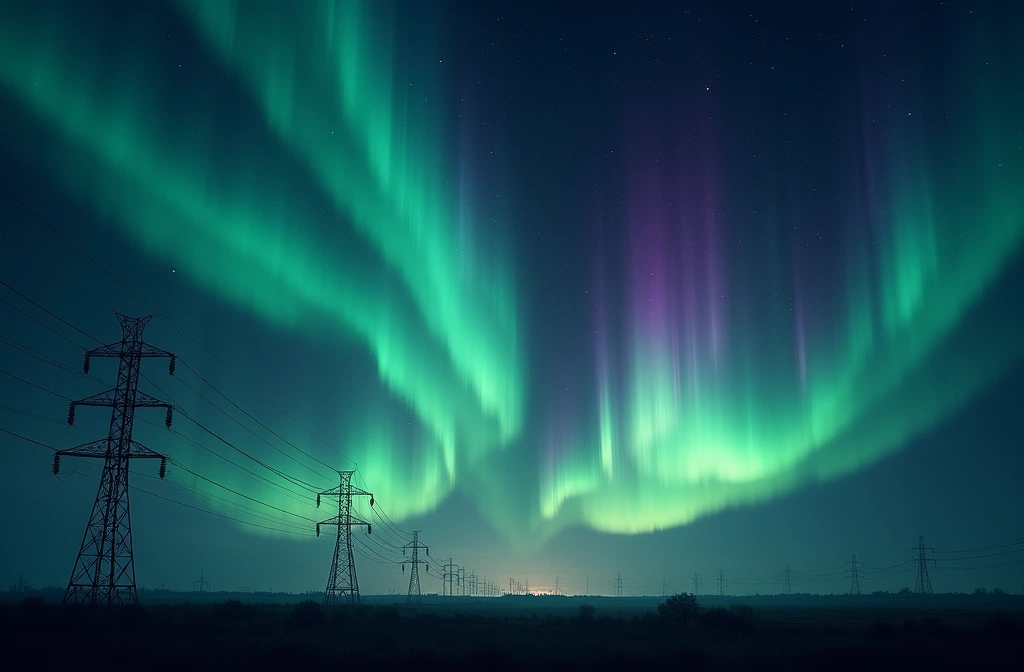
According to EarthSky, the geomagnetic field may experience an increase to unsettled-to-active levels (Kp 3–5) on April 30, Thursday, driven by a stream of high-speed solar wind from a coronal hole. G1 (minor) geomagnetic storms are possible during this window.
This matters because geomagnetic activity at G1 levels—while minor—can affect high-frequency radio communications and pose minor impacts to satellite operations. Power grid effects at this level are typically localized and manageable for modern infrastructure, but this is precisely the kind of event that stress-tests real-world response protocols.
The distinction here is important: a G1 is not a G4 or G5. This is a background-radiation event in the preparedness calendar, not a civilization-scale impact. However, it's a useful signal to observe how grid operators, telecom providers, and space weather monitoring systems respond in real time.
What to watch: The speed and density of the incoming solar wind stream. If it arrives faster or denser than currently modeled, Kp levels could climb into G2 (moderate) territory—a threshold where transformer stress begins to register on operator dashboards. Monitor NOAA's Space Weather Prediction Center updates through April 30 and into May 1 for any upward revisions.
For most readers, this event does not require action. However, if you operate in sectors sensitive to radio blackouts (aviation, maritime, emergency dispatch), confirm your backup communication protocols are current and tested. If you're in a region with aging grid infrastructure or known capacity constraints, this is a low-risk opportunity to verify that your local utility has published its geomagnetic storm response procedures.
The broader lesson: G1 events are becoming a routine part of the solar cycle. They're excellent dry runs for the infrastructure and decision-making systems that will face far more severe events in the future.
