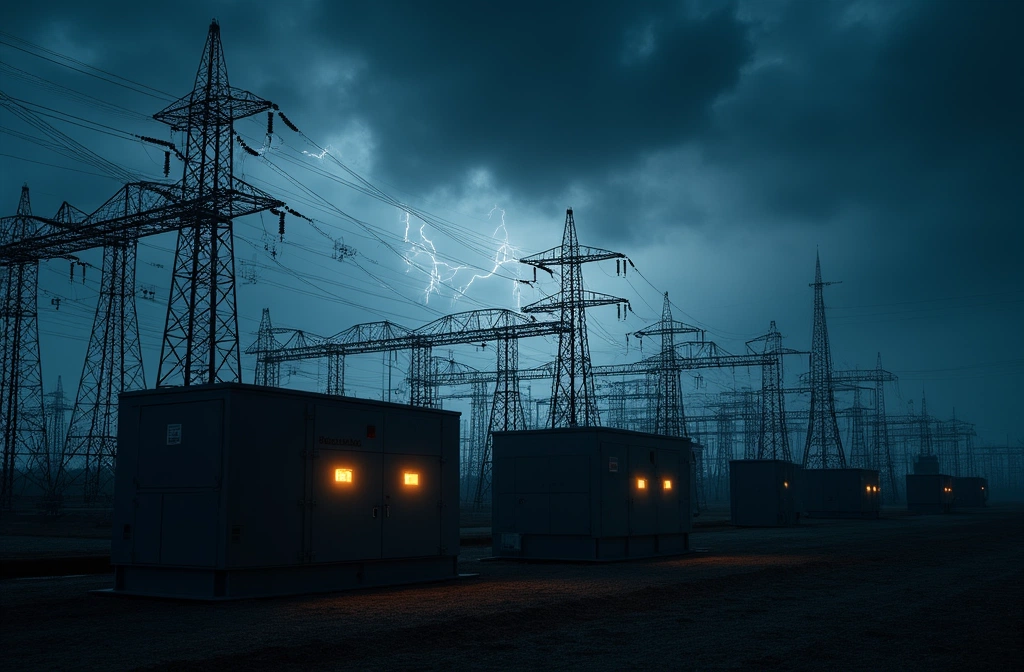
According to ChaseDay.com, Southern storms present a recurring threat to grid stability in regions not designed for prolonged power loss. The risk surfaces when outages last hours to days—a duration long enough to degrade core household functions: temperature control, food safety, water access, and emergency lighting.
The vulnerability is geographic and infrastructural. Southern grids and homes are engineered around reliable power supply; extended blackouts expose gaps in redundancy and preparedness infrastructure. During these windows, three failure cascades emerge: (1) loss of refrigeration and food safety mechanisms, (2) inability to generate heat or light without introducing new hazards (like carbon monoxide from improper generator placement), and (3) breakdown of water pressure and sanitation systems dependent on grid-powered pumps.
Why this matters now: Storm seasons are predictable. Outage patterns are documented. Yet household-level preparedness—knowing how to safely cook without power, store food without refrigeration, and maintain warmth without creating indoor combustion hazards—remains fragmented across millions of homes. Each storm cycle repeats the same vulnerability window.
The systemic risk is compounding: every multi-hour outage is a live-fire test of household resilience. Areas with older infrastructure, higher poverty rates, and lower ownership of backup systems (generators, battery storage, manual water supplies) will see disproportionate harm during the next event. Medical-dependent populations—those on powered equipment, refrigerated medications—face acute risk. This suggests a cascading failure mode where initial grid loss triggers secondary health emergencies that overwhelm emergency services already stretched thin.
What to watch: Monitor regional grid operator alerts and storm forecasts during peak seasons. Preparedness-aware households should validate three fundamentals now: safe backup heat source (with proper ventilation), non-perishable food and manual water access for 72 hours, and tested alternative lighting. These are not speculative; they address documented failure modes from recent Southern storm events.
