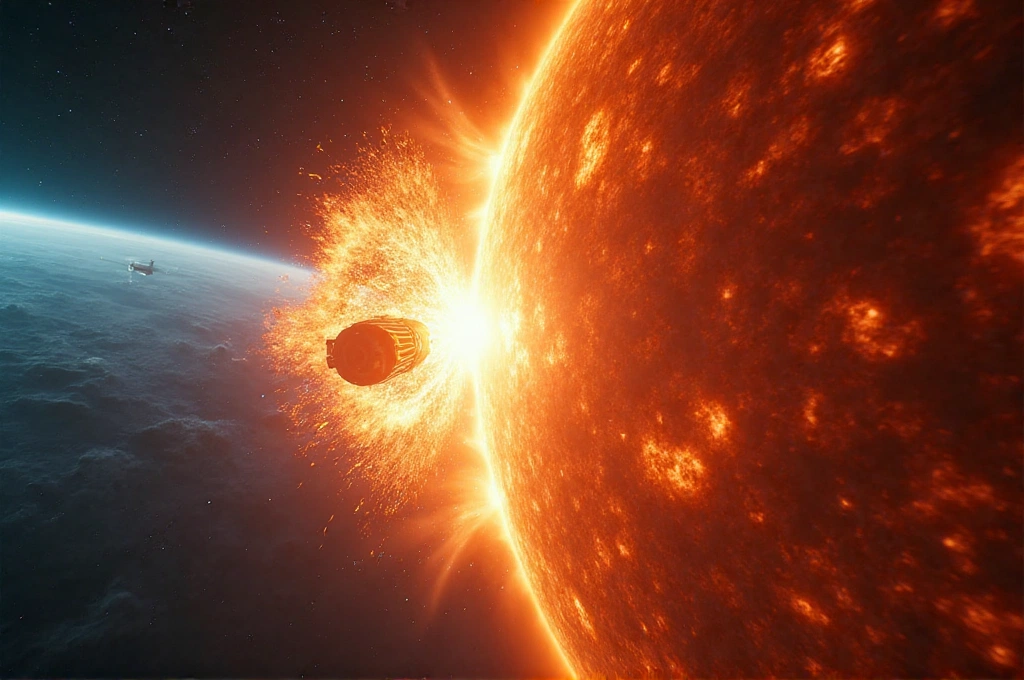
According to a Times-Standard piece by Lori Dengler, space hazards pose a measurable risk to critical infrastructure and communications — and the warning systems designed to detect them require ongoing support and resources.
Dengler's commentary frames this as a systems problem: early warning infrastructure exists, but faces pressure from competing budgets and priority cycles. Space-based hazards — including solar events, debris, and other phenomena — can disrupt power grids, satellite communications, and navigation systems that modern economies depend on. The argument is straightforward: detection and notification windows matter only if the systems remain funded, staffed, and operationally ready.
This signals a gap between threat awareness and institutional commitment. Federal agencies and private operators understand the risk. The question is whether warning capability stays sharp or atrophies from neglect.
For preparedness-minded readers, this matters because early warning is the only mitigation tool available for fast-onset space events. You cannot harden your way out of a major solar storm — you can only detect it early enough to take protective action (grid operators shutting down transformers, satellite operators repositioning assets, etc.). If warning systems lose funding or staffing, that detection window closes.
Historically, space weather got serious attention after the 1859 Carrington Event would have crippled modern infrastructure if it happened today — and after the 2012 solar storm that narrowly missed Earth. Regulatory bodies and utilities have built redundancy since then. But infrastructure is only as resilient as the detection systems feeding it. Dengler's piece suggests that commitment is not automatic year-to-year.
