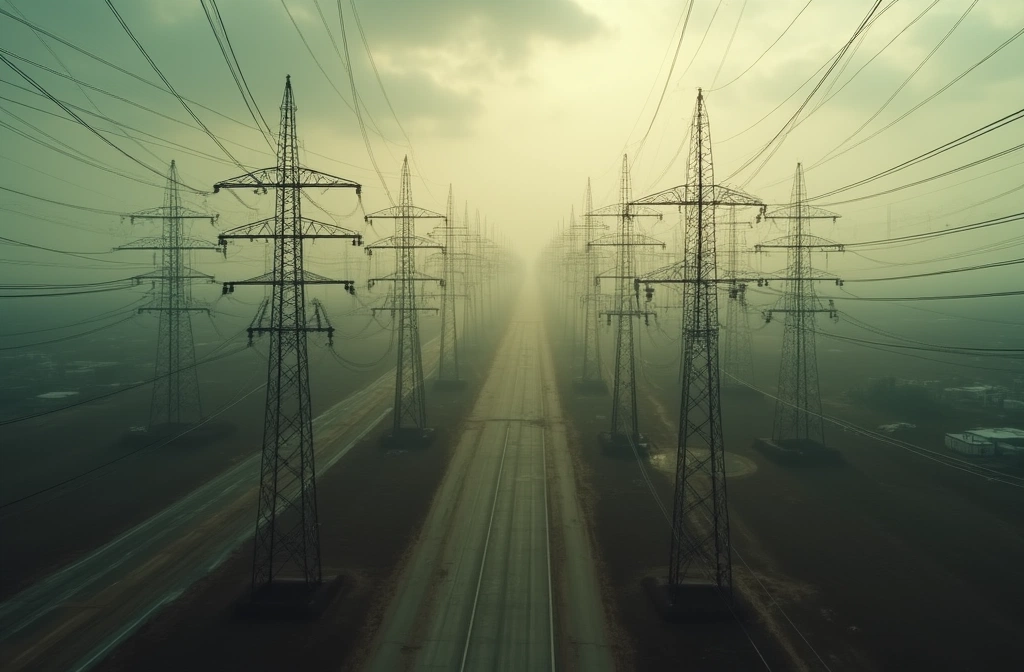
According to reporting from Daily Mail Online, 17 U.S. states operating within the Southwest Power Pool (SPP) have been placed under power emergency status due to escalating blackout risk. The primary driver is meteorological: a heat dome has locked hot air over the region, driving temperatures upward for multiple days and spiking air-conditioning demand across the footprint.
The situation deteriorated sharply when SPP experienced a sudden loss of electricity imported from neighboring grids. This external supply disruption left the pool with what Daily Mail describes as 'razor-thin reserves' — the operational cushion needed to absorb generation losses, equipment failures, or further demand spikes without triggering controlled (rotating) blackouts.
Why this matters: SPP serves a 14-state region including Oklahoma, Kansas, New Mexico, and Colorado. When reserve margins compress to critical levels, grid operators must choose between accepting higher blackout probability or executing rolling outages to shed load immediately. Either outcome cascades: hospitals, water treatment, data centers, and supply chains all face potential interruption. Emergency generators and fuel supplies across the region are now under indirect pressure.
The heat dome itself is a known climate pattern, but its interaction with import-dependent grid architecture is the operational problem. SPP's ability to source power from neighboring regions (Texas, California, other pools) is essential during peak demand. When that import channel closes unexpectedly — whether due to congestion, equipment failure, or regional demand elsewhere — SPP loses its safety valve.
What to watch: Grid operators will publish reserve margin data and emergency directive updates as the heat event evolves. Pay attention to whether reserve margins stabilize above 10% or continue declining. Watch for voluntary conservation appeals (early signal of sustained strain) and whether neighboring pools activate mutual aid agreements. Temperature forecasts for the SPP region will directly signal demand trajectory.
For readers in the affected states, this is a reminder that grid emergency status, while managed, indicates real operational constraint. Fuel diversification, backup power capacity, and water storage remain proportional responses to increasing frequency of these events.
