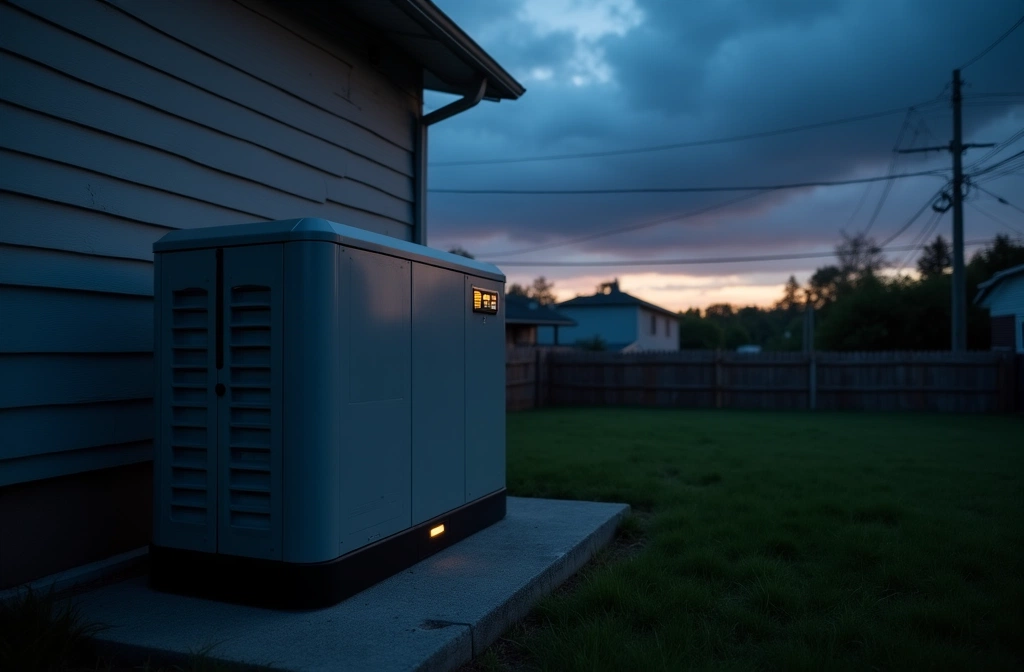
According to Breaking Belize News, the conversation around backup power has shifted from portable, manual generators to permanent standby installations. The outlet notes that a standby generator operates fundamentally differently from the portable units most people associate with emergency power—it senses an outage and activates automatically, without operator intervention.
This matters because grid outages are no longer rare events. Whether triggered by weather, equipment failure, or load management issues, blackouts now occur with enough frequency that many households and businesses are reassessing their resilience posture. The automatic detection and activation capability of a standby system eliminates the lag time inherent in manual response: no waiting for someone to wheel out equipment, no hunting for fuel, no running extension cords in adverse conditions.
For preparedness-minded readers, the takeaway is straightforward: if backup power is part of your strategy, the type of system you have—or don't have—fundamentally alters your operational capability during an outage. A portable generator requires human action at the moment when grid conditions are worst and visibility may be poorest. A standby system removes that human variable from the equation.
The infrastructure angle here is worth noting. As grid stress increases and outages persist longer, the difference between manual and automatic backup becomes less about convenience and more about critical function. Sump pumps, medical equipment, heating/cooling, and communications systems don't wait for someone to start a generator.
What to watch: Monitor your local utility's outage frequency and duration over the next 12 months. If your area is experiencing longer or more frequent blackouts, that's a clear signal that portable backup may no longer be adequate for your household or business needs. Start documenting outage patterns now—they'll inform whether a standby system investment makes financial sense for your specific situation.
