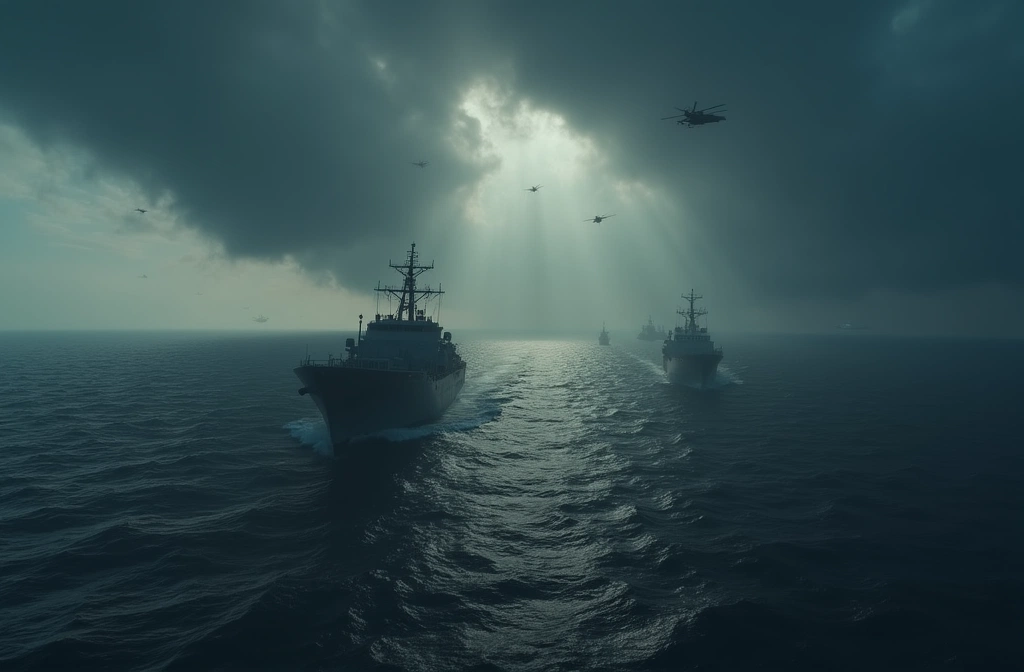
AP News reports that Iran has fired on ships in the Strait of Hormuz amid an ongoing blockade of the strategic waterway. President Trump stated that the blockade will remain in place and attacks will resume if no agreement is reached with Iran.
The Strait of Hormuz is a critical chokepoint for global energy transit—roughly 20% of global oil passes through it daily. Any sustained disruption to shipping traffic in this channel creates direct pressure on fuel prices, refining capacity, and diesel availability across North America and Europe. For preparedness planning, this matters because:
Infrastructure exposure: Port operations, trucking logistics, and power generation that depend on imported fuel become vulnerable to supply shocks. Refineries may shift to costlier feedstock or reduce output, rippling through industrial supply chains.
Communication and coordination: Escalating military activity in a confined waterway increases the risk of miscalculation, unintended incidents, or rapid shifts in shipping access—situations that leave little time for public warning.
Precedent: The 2022 Suez Canal blockage (Ever Given) demonstrated how single infrastructure chokepoints can create weeks-long disruptions to global commerce. A deliberate, sustained blockade operates under different logic and timeline.
What to watch: Monitor shipping reports and commodity price signals in crude oil and diesel. Sustained price volatility or shipping insurance rate increases suggest market-driven concern about sustained access disruption. Also track any official statements from the Trump administration or Iran regarding negotiation timelines—these typically precede either de-escalation or further tension.
This is a live situation with limited sourced data. The single AP News report confirms blockade status and Trump's conditional statement, but broader conflict dynamics and Iranian response strategy require continued monitoring through official channels.
