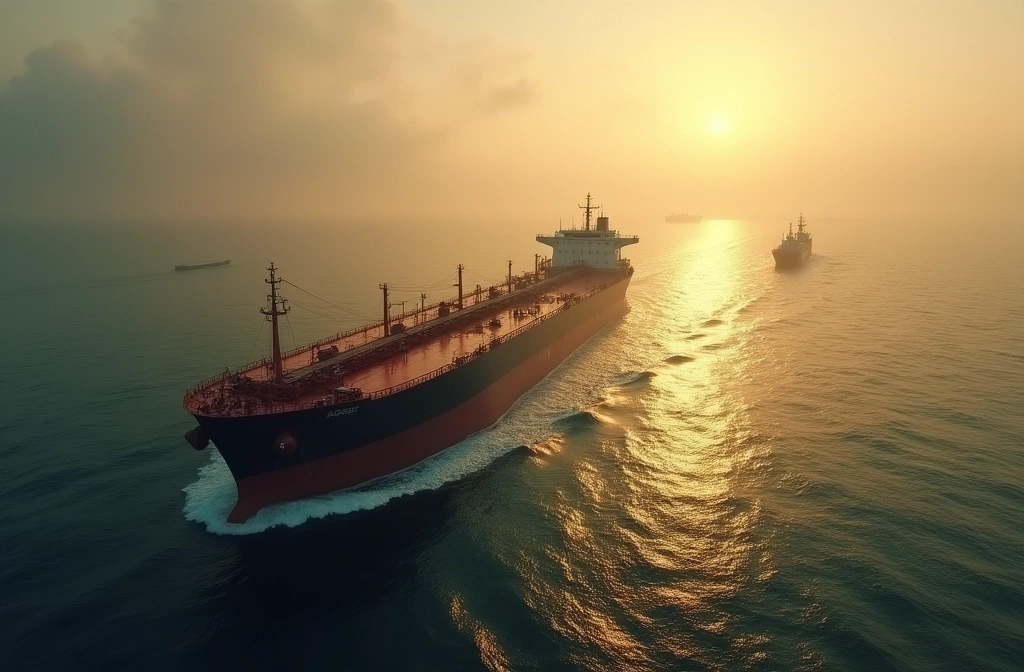
On April 18, 2026, Iranian naval forces fired on an Indian-flagged oil tanker transiting the Strait of Hormuz, according to reporting from AP News and Hindustan Times. The incident occurred as Iran announced it was reopening the strait to commercial traffic—a move that appears contradicted by active engagement with vessels in the waterway.
The geopolitical signal is clear: According to AP News, the Trump administration stated that the blockade on Iranian ships and ports "will remain in full force" and that attacks will resume if no agreement is reached with Iran. This creates a fundamental conflict between Iran's stated reopening of the strait and the US position on maintaining restrictions.
Why this matters: The Strait of Hormuz handles roughly one-third of global maritime oil traffic. Any sustained disruption—whether from Iranian interception, US enforcement, or escalating naval incidents—creates cascading pressure on energy markets, shipping insurance, and port operations worldwide. Nations dependent on Gulf oil face immediate supply-chain friction; maritime insurers face exposure spikes; and logistics networks built on predictable routing face routing uncertainty.
For preparedness readers, this is not yet a full blockade, but it is active hostile engagement at a critical infrastructure node. The pattern suggests unpredictability rather than stability: Iran claims the strait is open while its navy fires on transiting vessels, while the US maintains its blockade position. This ambiguity is operationally dangerous for commercial shipping and creates conditions where minor incidents can cascade.
What to watch: Monitor for changes in tanker transit patterns, insurance premium shifts for Hormuz passages, and official statements from major oil importers (India, Japan, South Korea, Europe). A sustained pattern of Iranian interception or US enforcement actions would indicate the situation is hardening rather than stabilizing. The next 72 hours will show whether this was tactical signaling or the beginning of enforced restrictions.
