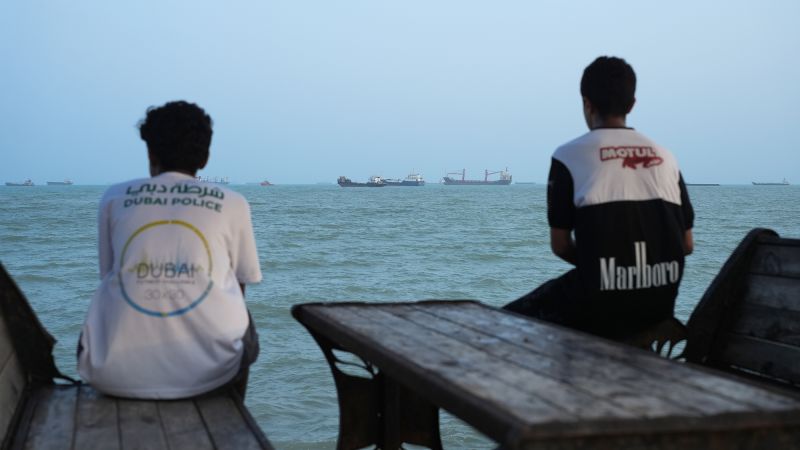
CNN reports that the US-Iran war—now in its seventh month—has created a effective stall in Strait of Hormuz traffic, the world's most critical oil chokepoint. The competing claims over who controls the waterway reflect the military reality on the ground: neither side has achieved decisive control, and the blockade persists.
Why this matters: The Strait of Hormuz handles roughly one-third of global seaborne oil trade. When traffic stalls, two cascading failures accelerate. First, global oil stockpiles deplete under continued demand—a slow-motion squeeze on refineries, heating, and transportation fuel. Second, energy prices spike, compressing budgets for water treatment, food distribution, and backup power systems that depend on fuel-based generators.
For infrastructure-dependent societies, a prolonged Hormuz closure creates secondary stress: hospitals and data centers burning through diesel reserves faster than supply chains can replenish them. Grid stability erodes when fuel costs force utilities to cut maintenance. Water systems—many powered by natural gas or diesel—face operational risk if energy prices remain elevated.
The underlying signal: control of the Strait remains contested, not settled. CNN's framing suggests neither the US nor Iran has achieved the decisive military advantage needed to unilaterally guarantee passage. That uncertainty itself is destabilizing—shipping insurers, refineries, and traders cannot plan around a moving target.
What to watch: The trajectory of stockpile depletion and any signals of negotiated corridor agreements or further military escalation at the Strait. Current reporting does not indicate when—or if—normal traffic will resume. Infrastructure operators relying on just-in-time fuel delivery should assess current reserve margins against extended delay scenarios.
