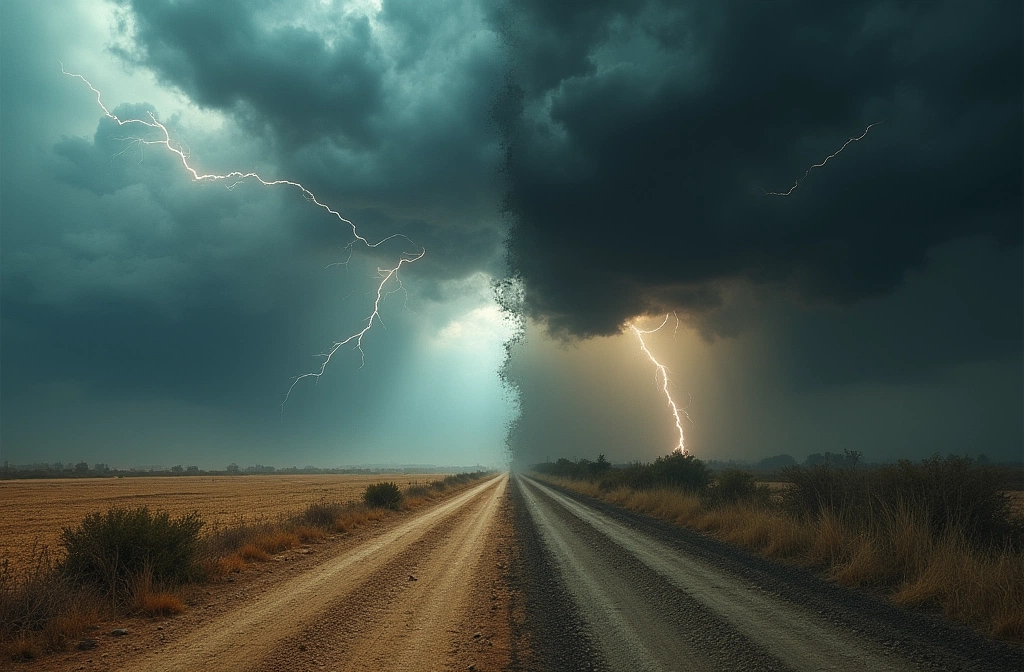
According to LBC, the arrival of a strong El Niño phenomenon could bring record-breaking temperatures alongside unpredictable weather and rainfall patterns to the UK. El Niño—the warm phase of the Pacific Ocean's natural climate cycle—has global weather implications, and this emerging event suggests the UK should prepare for volatility in seasonal weather patterns.
Why this matters: Extreme heat spikes combined with erratic rainfall create cascading infrastructure stress. Energy grids face simultaneous pressure from cooling demand during heat events and pump/irrigation strain during rainfall uncertainty. Water utilities may experience supply mismatches if precipitation doesn't align with seasonal expectations. Agricultural planning becomes harder when frost and drought timing becomes unpredictable. For households and organizations, this means potential for both sudden scarcity and sudden excess.
Key signal: LBC reports the El Niño could produce record-breaking temperatures, which suggests this isn't a minor seasonal shift but a potentially significant weather driver. The unpredictable rainfall element is equally critical—UK infrastructure is designed around historical precipitation patterns, and deviation creates vulnerability.
What to watch:
- Met Office updates on El Niño intensity and UK regional impact timing
- Water authority announcements on supply planning or restriction protocols
- Grid operator notices on demand forecasting adjustments
- Agricultural sector guidance on frost/drought preparation
Immediate preparedness steps:
- Review household water storage capacity (15-20L per person minimum) and household emergency supplies that don't depend on refrigeration or cooking gas
- Check that critical systems (heating, cooling, backup power) are serviced and functional—you may need either one without warning
This remains an emerging threat. Monitor official meteorological guidance from the Met Office for regional specifics. Plan for volatility, not catastrophe.
