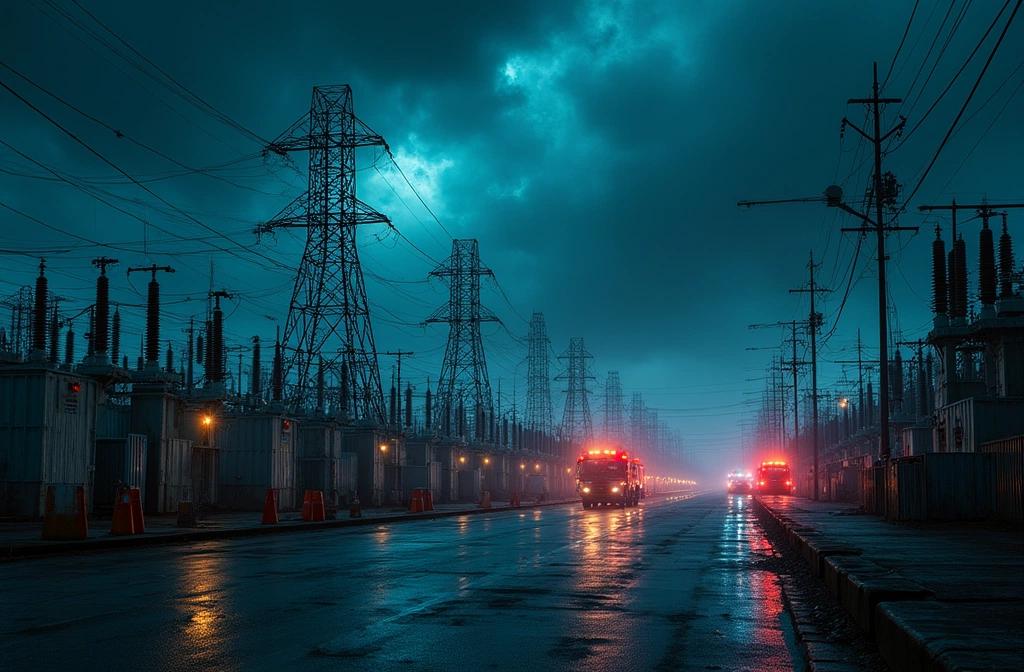
On Friday, May 22, 2026, a significant blackout impacted multiple regions across Sumatra, including Aceh, North Sumatra, Riau, and West Sumatra, according to reporting from Tempo.co English. PT's CEO Darmawan Prasodjo confirmed the scale of the outage affecting major population centers.
Indonesian police have publicly stated there is no evidence of sabotage behind the event. This rules out one category of failure—deliberate infrastructure attack—but leaves the underlying cause unconfirmed in available reporting.
Why this matters: Large-scale grid collapses without clear attribution are a preparedness concern because they highlight systemic vulnerability. Whether the failure originated in generation, transmission, protection systems, or external environmental factors determines both recovery speed and future risk profile. The Sumatra grid serves a densely populated region; extended outages cascade into water treatment, medical facility operations, communications, and supply chains.
The absence of disclosed technical cause is notable. In mature grid systems, root-cause analysis is typically public within days—transformer failure, relay malfunction, weather event, or human error. The lack of technical detail in current reporting may reflect investigation status rather than intent to obscure, but it underscores how little information flows to the public during and after critical infrastructure events.
Historical context: Indonesia's power sector has experienced multiple large outages over the past decade. Recurring blackouts signal chronic underinvestment in grid resilience, redundancy, or aging infrastructure—factors that compound vulnerability regardless of cause.
What to monitor: Watch for technical statements from PT or Indonesian energy regulators specifying the failure chain. Track whether Sumatra experiences cascading outages in the following weeks—a signature of unresolved systemic weakness. Regional grid incidents often follow patterns; if similar blackouts occur in other Indonesian regions or Southeast Asian systems, it may indicate a common infrastructure vulnerability affecting the broader region.
