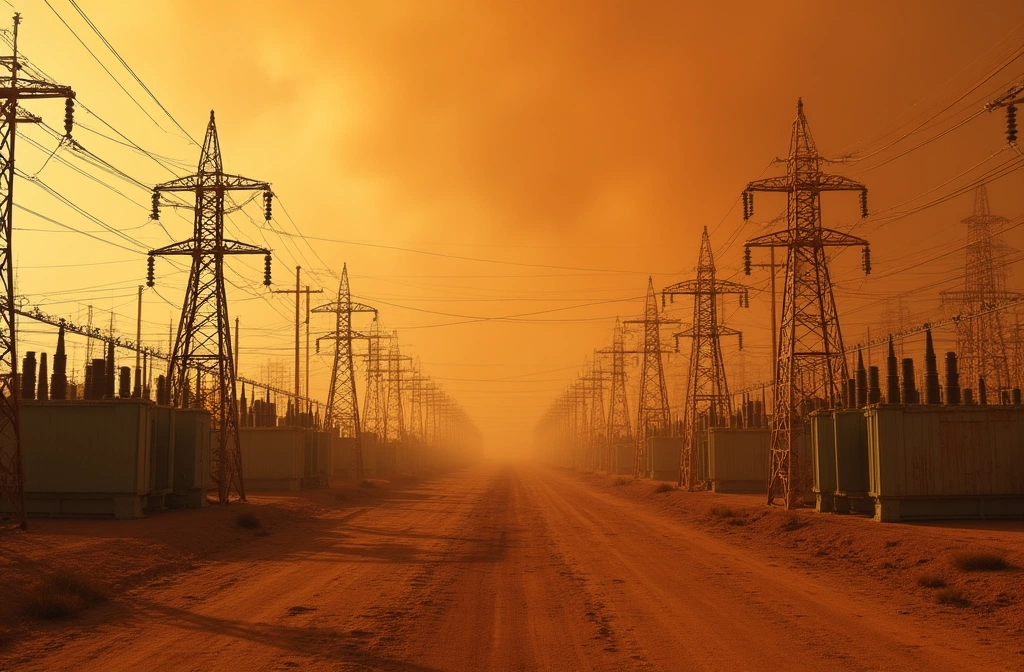
CNET reports that summer blackouts in the United States are growing more common and carrying elevated risk profiles. The source identifies three primary drivers: heat waves, wildfires, and aging grid infrastructure. This pattern suggests the grid is operating under tighter margins during peak demand periods—the exact conditions that compound outage severity and duration.
Why this matters: Summer blackouts are no longer isolated events. Heat waves stress cooling demand simultaneously across regions. Wildfires can directly damage transmission infrastructure or force preemptive shutdowns. Aging grid components—transformers, conductors, and protective systems—are operating closer to failure thresholds. When these pressures overlap, localized outages can cascade into larger regional events.
The significance for preparedness is direct. Summer outages now carry medical risk (heat-dependent populations, medication storage), food safety exposure (refrigeration loss), and communication degradation (cellular towers drawing backup power). CNET's focus on a pre-blackout checklist suggests the threat level has shifted from low-probability to manageable-but-likely.
What to watch: Monitor late June through early September for heat advisories paired with red-flag fire conditions in your region. These are the conditions that historically precede grid strain. Track utility communications about demand response programs or rolling outage protocols—these are early signals that operators anticipate supply constraints.
For immediate action: Review your household's cooling contingencies now (before peak summer). Identify alternatives to grid-dependent cooling, secure medication refrigeration plans, and ensure communication devices have redundant charging. The advantage of acting now is that you're not competing for supplies during an active emergency.
