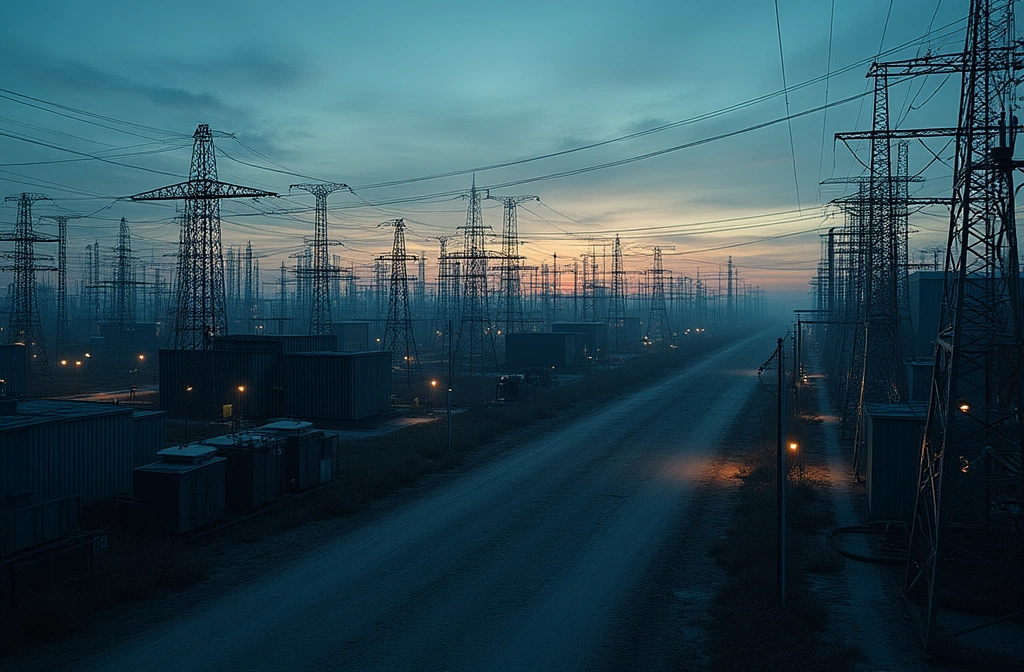
A Southwest blackout has been attributed to an initial failure involving a single worker, but the mechanism by which it cascaded across the broader grid remains unexplained—a significant gap in our understanding of grid vulnerability.
According to reporting, the power grid is engineered to withstand isolated mishaps of this type. Yet this event suggests the containment failed. Rich Sedano, regulatory analyst at the Regulatory Assistance Project (a utility industry think tank based in Montpelier, Vermont), stated directly: "There are a lot of critical pieces of equipment on the system and we have less defense than we think."
This is not an isolated concern. Similar cascading failures have struck the U.S. grid in recent years. The 2003 blackout affected 50 million people across the Midwest and Northeast. The 2005 outage marked another major failure. These precedents demonstrate that single-point failures—whether human error, equipment malfunction, or unforeseen interaction between systems—can propagate across interconnected infrastructure faster than designed safeguards can contain them.
The critical unknown here is the why of propagation. Grid operators and regulators have not yet disclosed what infrastructure or operational failures allowed a single worker's action to cascade. This opacity matters because it suggests either a gap in monitoring, a hidden vulnerability in system architecture, or both.
For preparedness-minded readers, the significance lies in this: the grid's redundancy and protection schemes may be less robust than public assurances suggest. If a straightforward worker error can trigger a regional blackout, the mechanisms preventing such cascades need urgent review—and may already be compromised in ways not yet visible.
What to watch: Official explanations of the cascade mechanism, grid operator statements on containment protocols, and any pattern of similar near-miss events that may indicate systemic stress points rather than isolated incidents.
