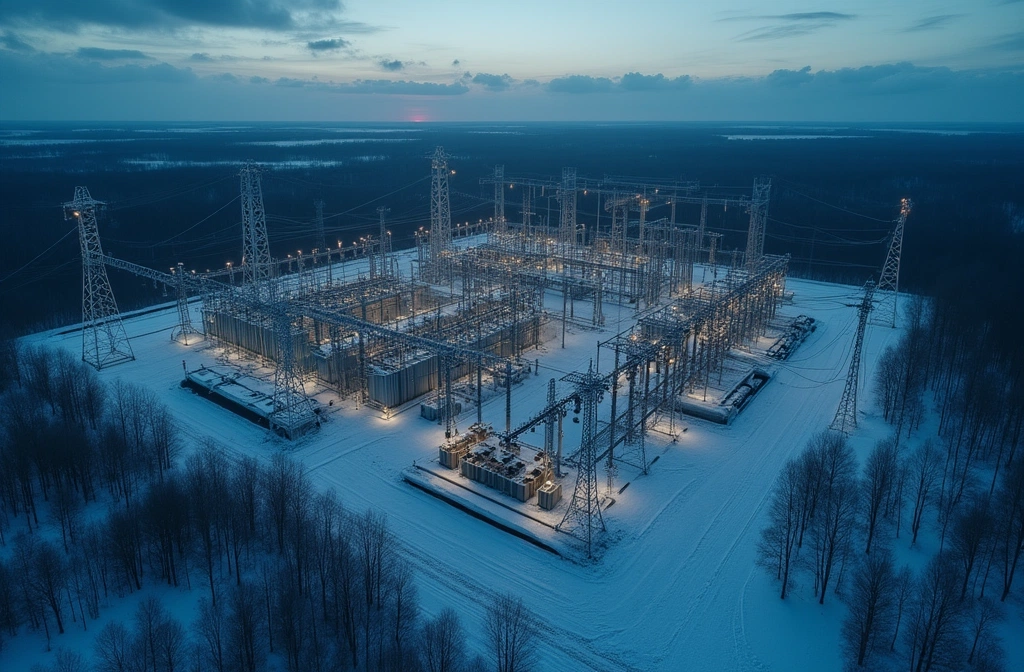
According to The European Conservative, Sweden experienced two power failures that nearly triggered a cascading blackout across the country. Grid operators managed to prevent total system collapse, but the proximity to failure signals real fragility in critical infrastructure.
This matters because Sweden's grid is part of the broader Northern European interconnection — failures here can propagate across borders. When one regional grid destabilizes, neighboring systems must absorb load instantly or face cascade shutdown. Sweden's heavy reliance on hydropower and interconnected generation means a triggering event in one subsector (transmission line failure, generation loss, or demand spike) can compress response windows to minutes or seconds.
The dual-failure sequence is the critical detail here. Single failures are manageable; grids are designed with redundancy. But successive failures — especially if they stress the same protection systems — expose the margin between "handled" and "catastrophic." Each failure taxes automatic load-shedding systems, voltage regulation, and operator response capacity. If the second failure arrives before systems fully stabilize from the first, recovery becomes exponentially harder.
European grids are also navigating a structural shift: high renewable penetration (Sweden included) means less spinning reserve and faster frequency decay during outages. Traditional coal and nuclear plants provided inertia; wind and solar do not. This changes failure dynamics — response times tighten, margins narrow.
WHAT TO WATCH: Monitor whether Swedish grid operators publish incident reports detailing failure sequence, cause, and response timeline. These reports reveal whether the near-miss was weather, equipment failure, cyber-related, or operational. Watch also for similar narrow-miss events in other Northern European grids (Norway, Denmark, Germany) — clustering suggests systemic stress, not isolated incidents.
For preparedness purposes: dual infrastructure failures in stable grids like Sweden's are reminders that even highly developed systems have tighter margins than public perception suggests. Personal resilience (backup power, water storage, food reserves) remains uncorrelated with national grid status — a fact worth acting on regardless of incident frequency.
