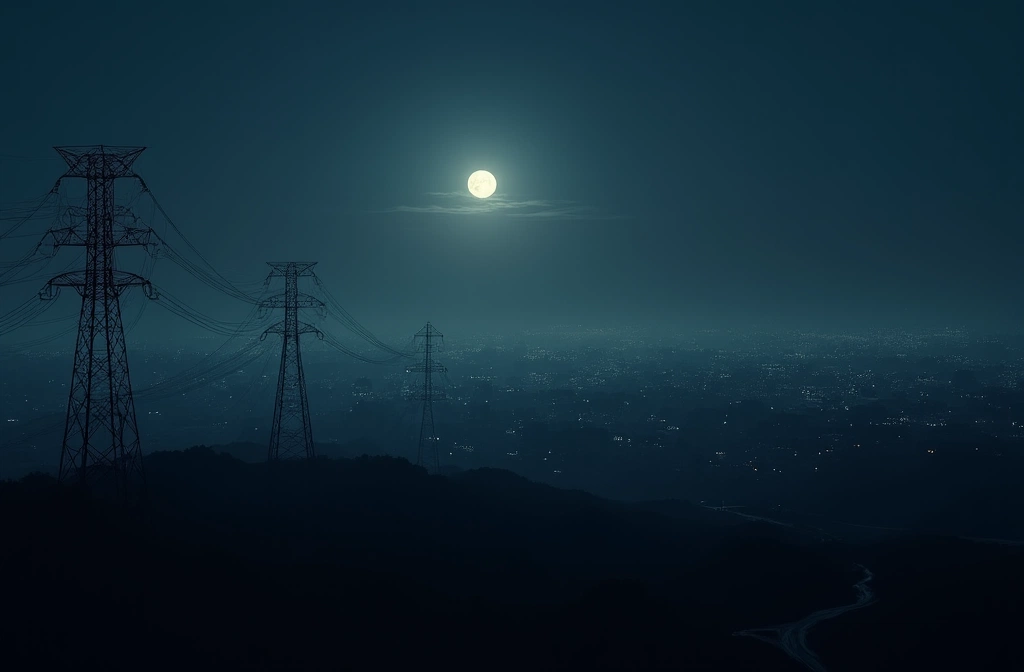
Channel Africa reported that Tanzania was hit by a nationwide blackout following a major national grid failure, with the event first detected on June 29, 2026. The outage affected the entire country's electrical system, indicating a failure at the transmission or generation level rather than localized distribution problems.
For preparedness analysis, this matters on several fronts. First, Tanzania's grid collapse demonstrates how a single point of failure in a centralized power system can cascade into total loss of service across an entire nation. Second, the scope—nationwide rather than regional—suggests the failure occurred at a critical node: likely the main transmission backbone or a major generation facility that the grid depends on.
This type of event has secondary consequences that extend beyond electricity: fuel pumps stop working without power, water treatment and distribution systems fail, communications infrastructure (cell towers, internet hubs) goes offline, and hospitals shift to emergency backup protocols. In a country where backup generation capacity may be limited, recovery timelines can extend from hours to days or longer depending on damage assessment and repair complexity.
Tanzania's blackout reflects a global pattern in grid vulnerability: many developing and emerging-market power systems lack the geographic distribution, redundant pathways, and automated protection systems that insulate wealthier nations from total collapse. When a single major transmission line fails or a primary generation station goes offline, there's often no automatic rerouting of power—the entire system cascades down.
What to monitor: Watch for official statements from Tanzania's national utility (likely TANESCO) on the cause of failure, repair timelines, and whether cascading outages occurred in neighboring grids. Monitor reports on whether the blackout triggered secondary failures—hospital emergencies, fuel shortages, water system issues—which indicate how unprepared the broader infrastructure was for extended outage. Regional grid operators in East Africa may provide technical details on whether this was generation loss, transmission damage, or protection system malfunction.
