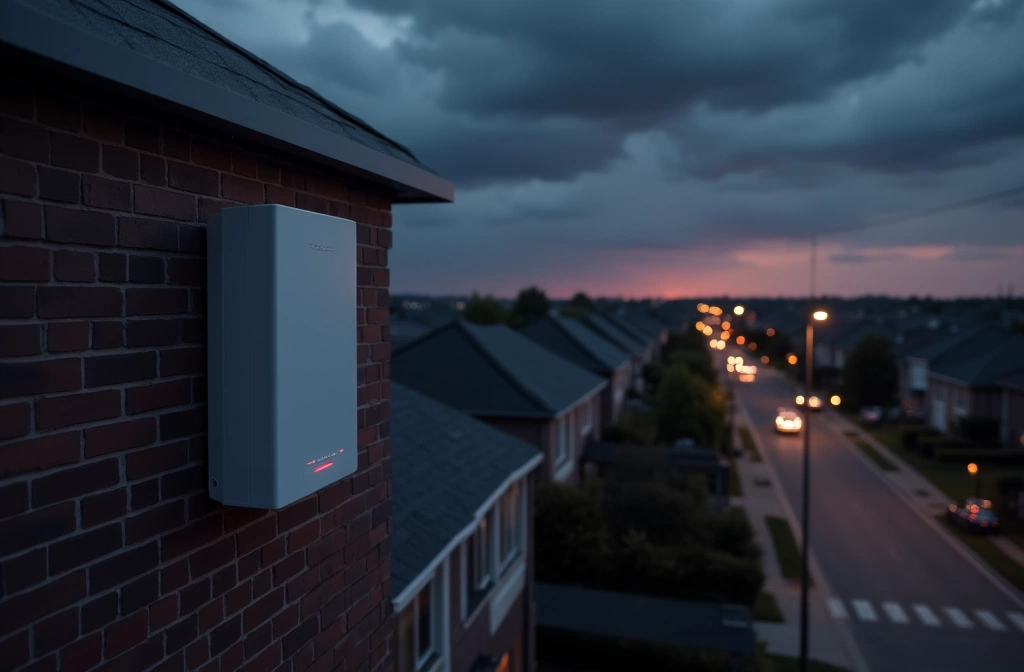
According to reporting from The Cool Down, a UK homeowner experienced two separate outages where their Tesla Powerwall 3 failed to operate as expected. Rather than disconnecting from the grid and providing backup power during blackouts, the system appeared to stay connected to the grid—leaving the house without power when the grid went down.
This signals a potential gap between marketed functionality and real-world performance in a grid-tied battery system. For preparedness-minded readers, the issue raises a critical question: what conditions trigger—or fail to trigger—automatic switchover in grid-scale home backup systems?
Tesla Powerwalls are designed with both grid-connected (on-grid) and island (off-grid) modes. The on-grid mode prioritizes exporting excess solar generation back to the utility while drawing power from both the grid and stored battery as needed. Island mode, by contrast, isolates the home from the grid and uses stored battery to power loads. The apparent failure to transition between these modes during actual grid loss suggests either a firmware limitation, configuration issue, or a detection lag in recognizing grid failure—each with different implications for home resilience.
This is not an isolated product defect report; it's a systems-level indicator. As grid outages increase in frequency and duration across Europe and North America, battery backup systems are becoming critical infrastructure for household continuity. If automatic failover detection is unreliable—even intermittently—homeowners may face unexpected power loss despite having expensive backup capacity installed.
The incident also illustrates a broader preparedness principle: branded solutions marketed for resilience require active verification and manual override capacity. Relying entirely on automatic systems without understanding switchover logic and having manual controls creates a single point of failure.
Watch for: similar reports from other Powerwall users in grid-stressed regions; Tesla's official statement on switchover timing and conditions; firmware updates addressing grid detection sensitivity.
