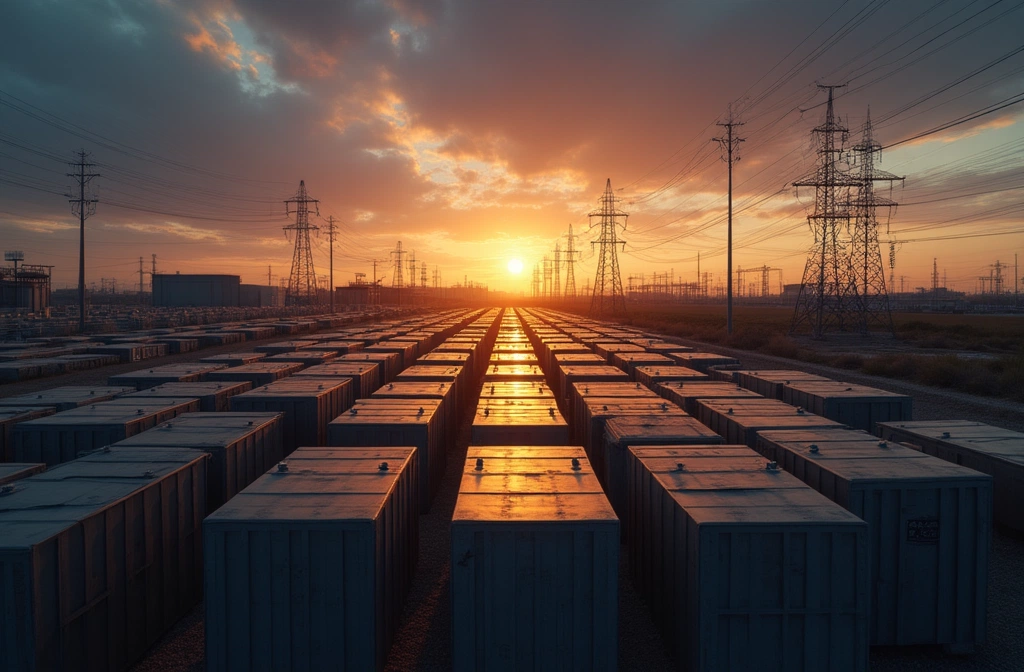
According to The Cool Down, Texas homeowners evaluating backup power options are confronting a practical constraint: manually deploying heavy fuel-powered generators during severe weather creates operational friction and safety risk. The reporting suggests adding battery storage to solar installations addresses multiple vulnerabilities simultaneously—reducing grid dependency, enabling off-grid capability, and eliminating the need to physically handle equipment during crisis conditions.
This matters because Texas has experienced repeated grid stress events, and household preparedness strategies increasingly pivot toward distributed solar-plus-storage rather than portable fuel generators. The weight and logistics of fuel-based backup systems create real failure modes: generators left in garages because they're too cumbersome to deploy, delayed activation during actual outages, or operator injury during installation under pressure.
Battery storage shifts the operational model. Once installed, systems operate on command without manual intervention, fuel logistics, or physical exertion during blackouts. This reduces the skill and strength threshold for preparedness—a significant factor for aging populations and households without technical capacity.
However, the reporting also implies a market readiness question: battery systems carry higher upfront costs and require professional installation, whereas fuel generators remain low-friction purchases. This suggests a bifurcation in household preparedness capability—those who can afford integrated solar-battery systems gain resilience, while cost-constrained households remain dependent on manual, heavy equipment.
For Texas specifically, this dynamic matters. The state's grid remains vulnerable to weather, demand spikes, and transmission constraints. Households that solve their own resilience reduce demand on emergency services during widespread events. But if battery adoption remains limited by cost, grid failure cascades will still encounter neighborhoods where backup power is either absent or inefficiently deployed.
The gap is not technical—it's economic and adoption-based.
